
Event Management4 min read
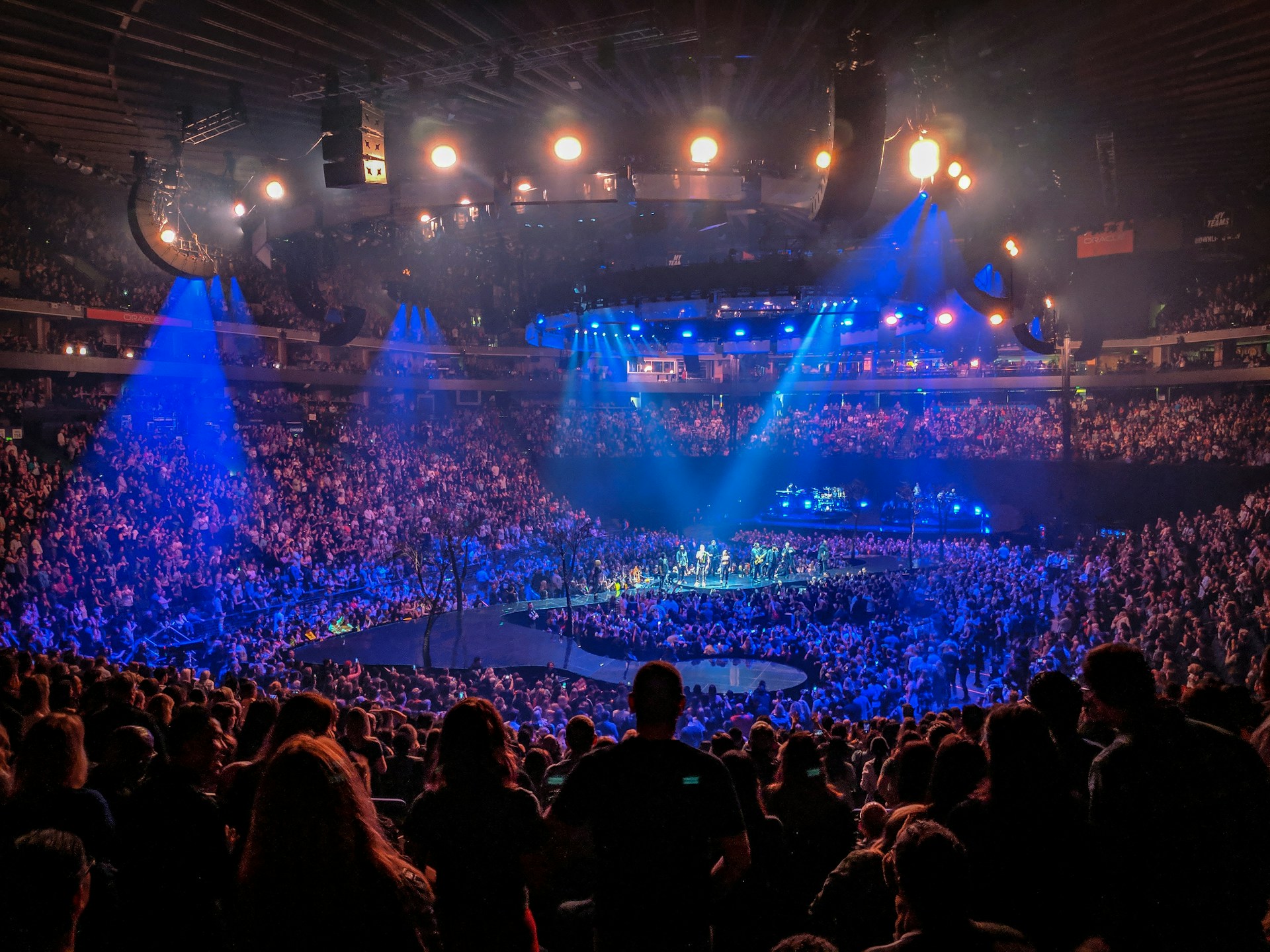
When leaders assemble a group, their central drive is generosity. Time and attention are what people commit. You keep them engaged for the whole session. Corporate conference strategy determines if the audience leaves with new energy or heavy exhaustion. Someone’s Event approaches conference planning as a sacred trust between the host and the visitor. Successful business conference structures rely on honest communication between all parties. Value happens when human beings look at each other and understand the work. Real conference management builds the platform to support that specific change. Creators see the potential inside the room. Trust forms the glue. People change when ideas spread across the community.
Choosing the Right Conference Venue
The gathering's emotional weight is contained within the physical rooms. Space teaches the attendee how to behave upon arrival at the site. Corporate event planning requires a property that allows easy movement and deep conversation. Someone’s Event reviews conference venue selection parameters to protect the audience's comfort. Large lecture halls must have tall ceilings and clear sightlines for the back rows. Delegates need light to sustain their active attention over long hours. Open lobbies create areas for spontaneous interaction during afternoon breaks. Your site choice sets the boundaries for potential organizational growth. Rooms talk to the guests. Architecture shapes the tribe's behavior.
Selecting the Best Date and Time for Your Event
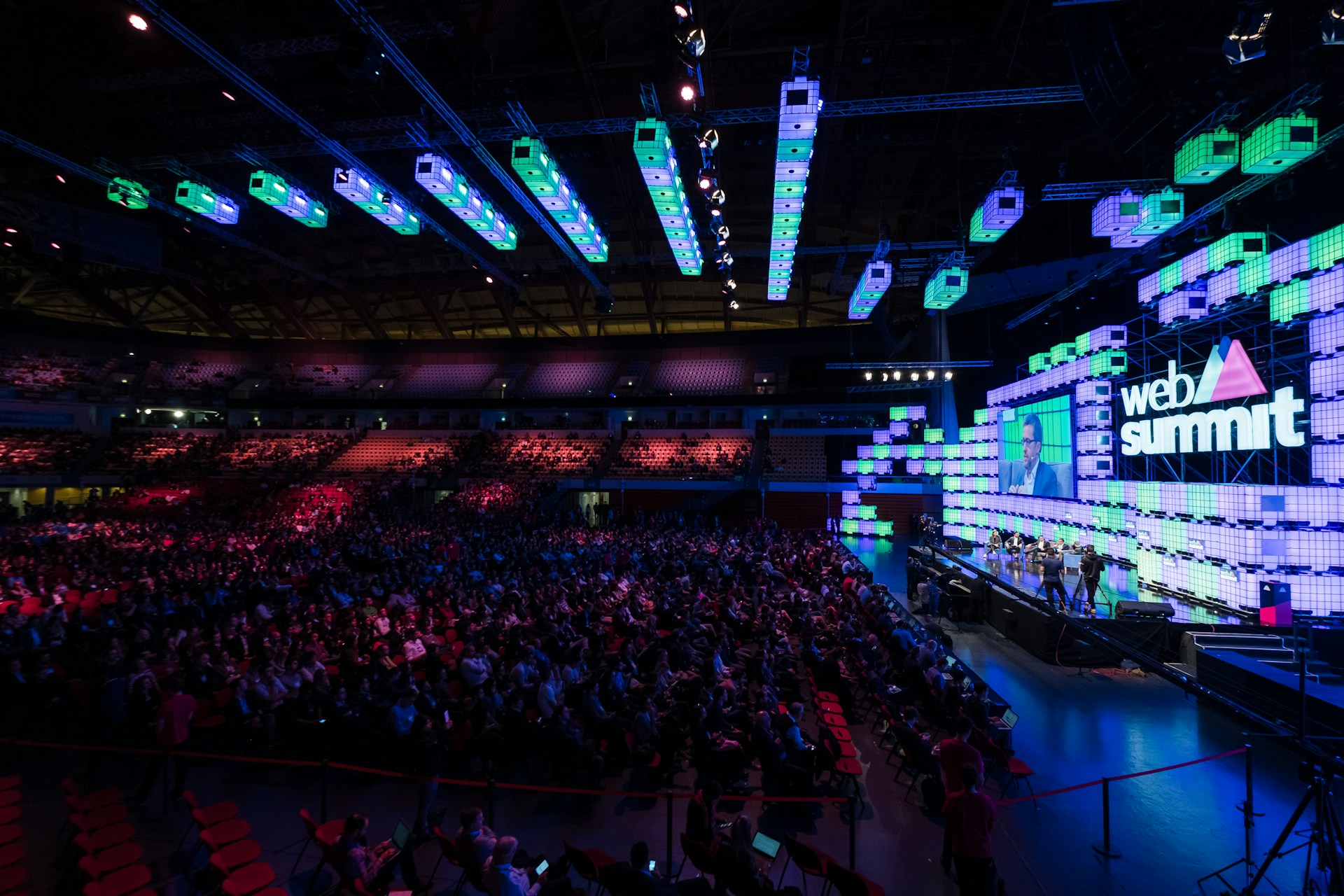
Adequate timing allows individuals to be their authentic selves. Calendars fill up fast in today's marketplace. Professional conference planning demands clear date selection to maximize regional attendance. Someone’s Event analyzes industry schedules to find open blocks within the corporate year. Mid-week periods attract large numbers of corporate thinkers. You announce the event schedule early to support conference marketing efforts. Delegates value advance notice. Early announcements let travelers secure accommodation. Pacing protects the event's velocity. Time represents a rare asset.
Building an Effective Conference Agenda
To maintain human energy for extended periods, content needs a natural rhythm of peaks and valleys. Pacing keeps the intellect awake. Good conference agendas balance deep lectures with open social intervals. Someone’s Event builds structures to maximize conference engagement. Keynote speeches belong in the early slots when concentration is at its peak. Interactive panels work well later in the day to spark lively debate. Conference logistics management tracks the transitions to keep the sessions brief. Change happens when topics build upon each other. Curated schedules respect the listener's mental capacity. Listeners stay focused when the schedule breathes. True connection needs quiet moments between the heavy blocks.
How to Find and Manage Conference Speakers
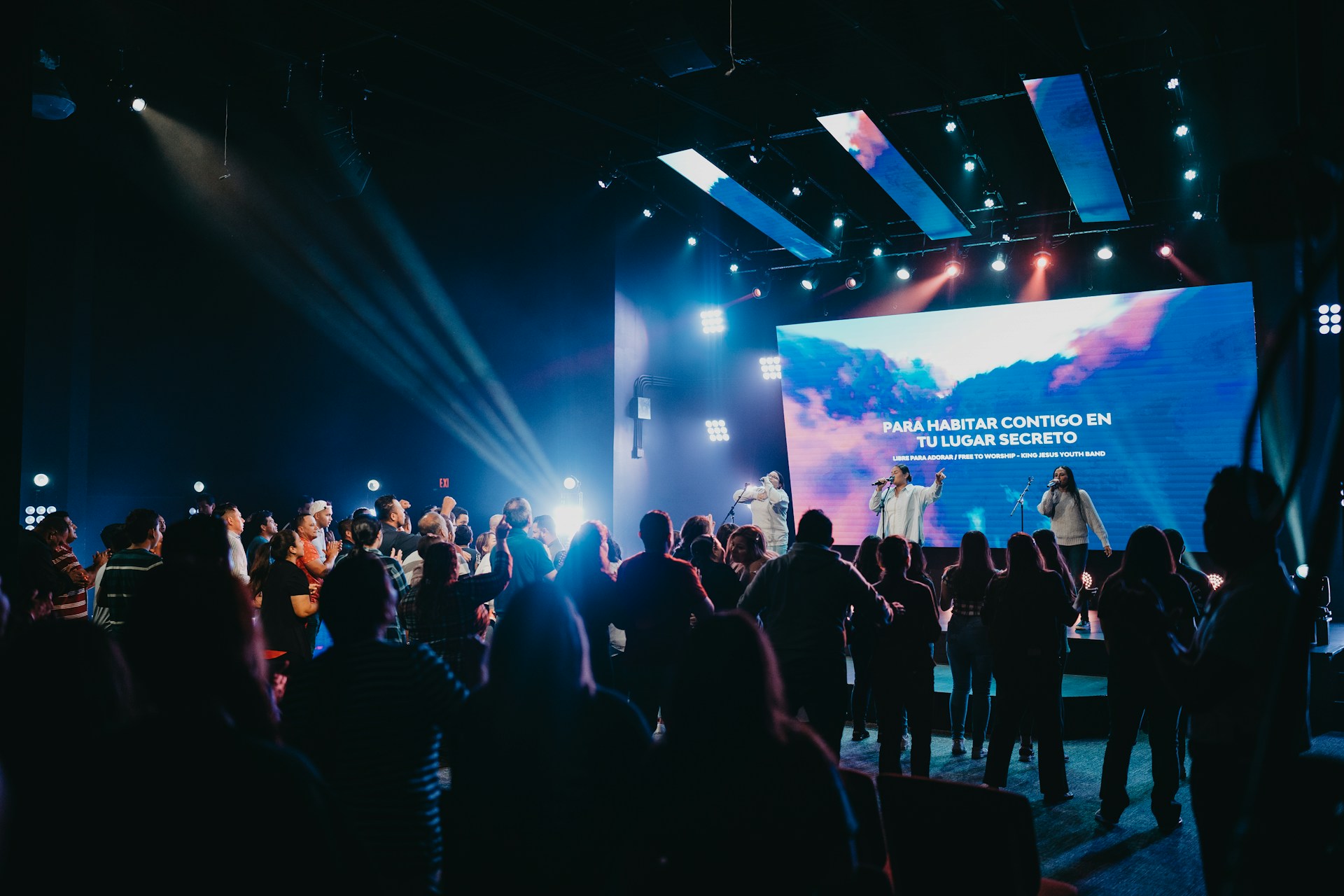
Voices on stage carry the entire brand's educational authority. Speakers need a safe environment to deliver their truth. Expert speaker management requires early dialogue regarding technical needs and audience expectations. Someone’s Event coordinates the backstage hospitality to keep the presenters calm. Technicians run microphone tests early to establish system reliability. Presenters inspire the tribe when the stage setup mirrors their true passion. Clear agreements build confidence. Teachers alter the market's direction. Audiences feel the speaker's sincerity when the technical environment works well. Good production honors the presenter's preparation.
The Role of Event Technology in Modern Conferences
Digital tools expand the human circle beyond physical borders. Networks connect isolated thinkers. Modern event technology allows virtual conferences to feel personal and urgent. Someone’s Event integrates streaming tools to unite hybrid conferences. Secure conference registration systems process the invitations and track user data. Applications help attendees find peers who match their interests during networking events. Technology supports the human voice. Data tells you which ideas matter to the group. Innovation extends the project's life cycle. Screens provide a window for interaction. Thoughtful platforms bridge the physical distance between colleagues.
Conference Stage Design and Setup Considerations
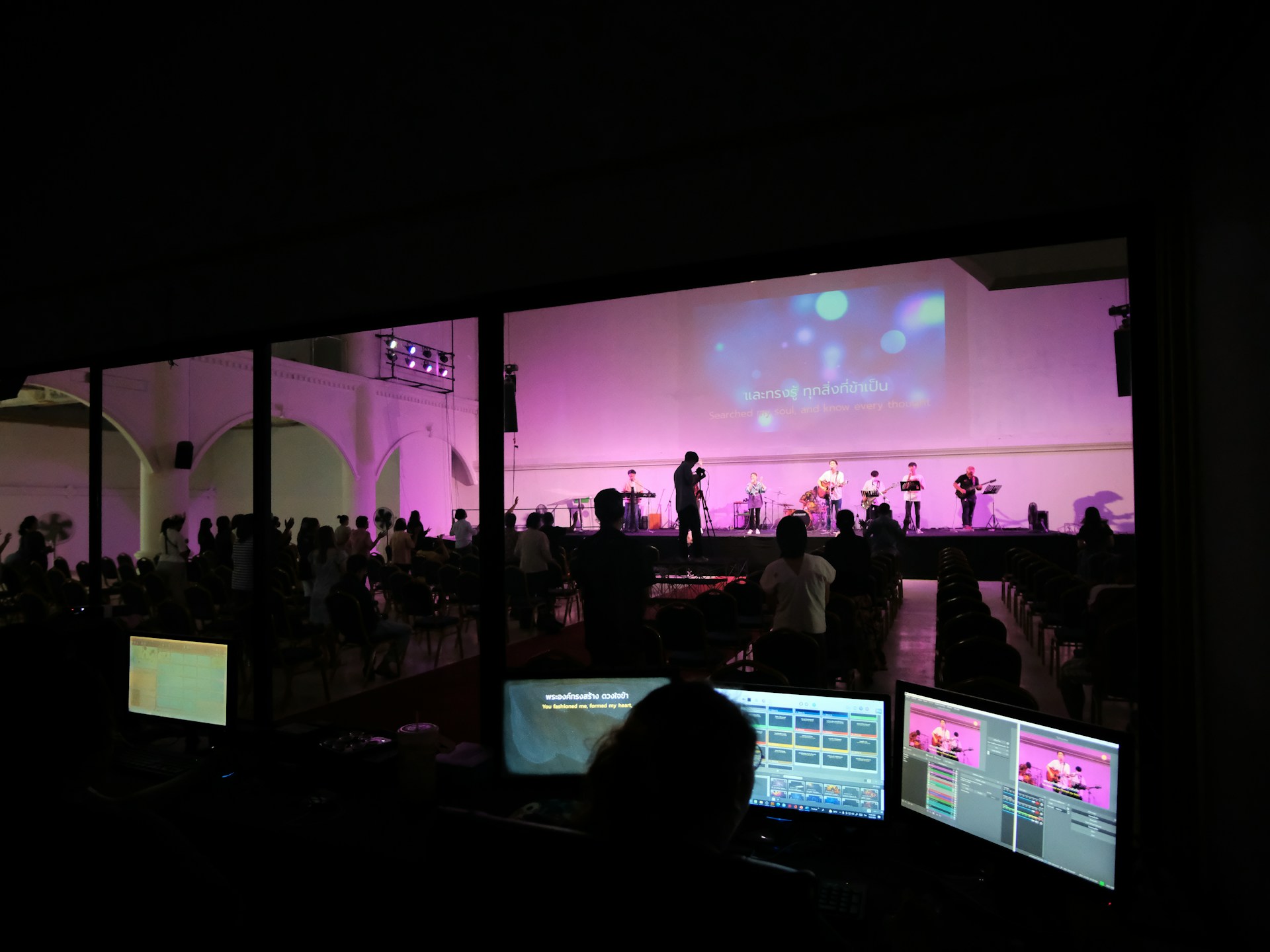
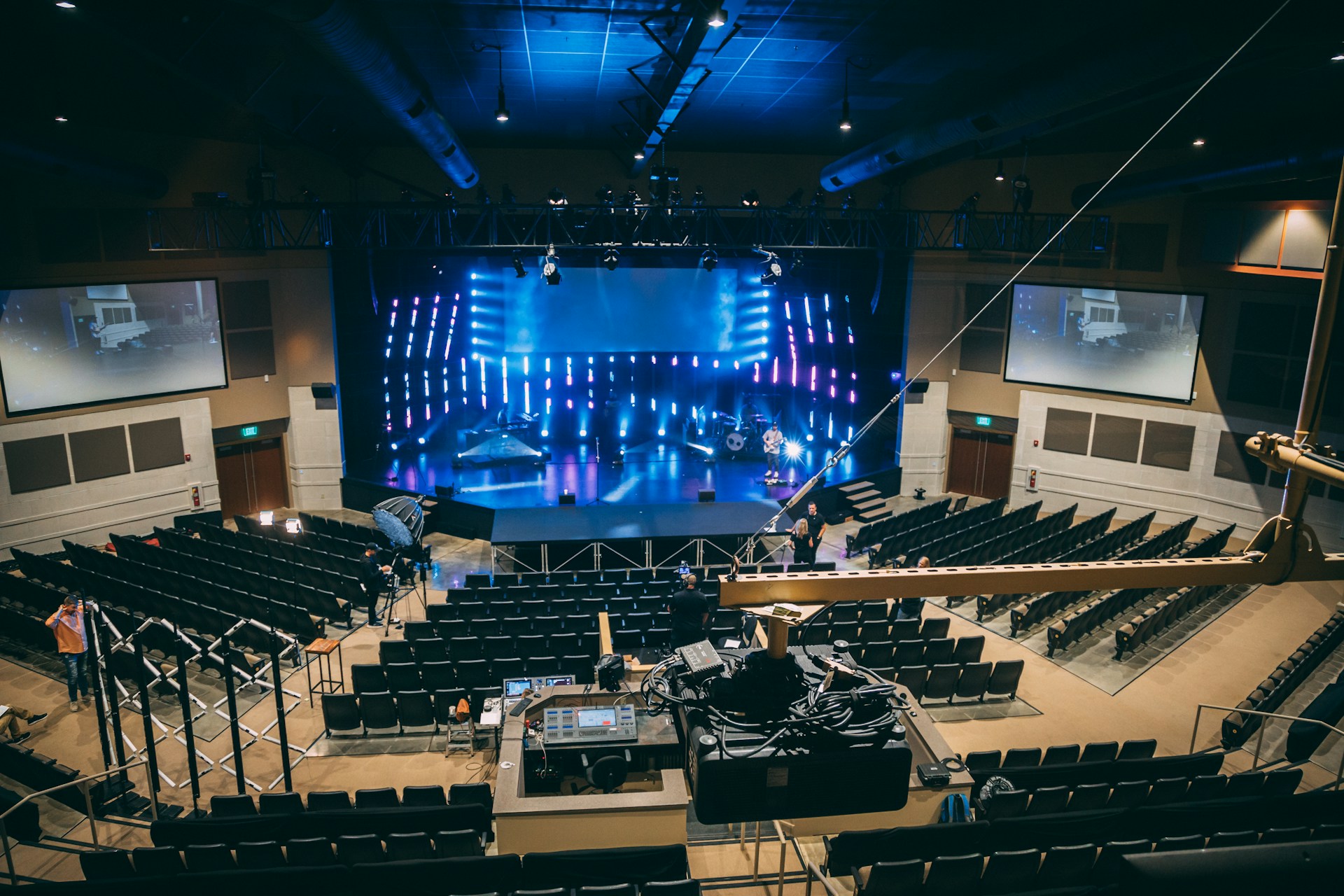
Visual design shapes how the message registers inside the brain. Staging acts as the physical anchor for the speaker's presentation. Creative conference setup uses clean lines and high-resolution screens to hold attention. Someone’s Event coordinates the scenic build to match the corporate branding. Large displays project the statistics with absolute legibility to the back rows. Sturdy platforms allow panels to speak comfortably. Clear views build connection. Art communicates values.
Building a Reliable Conference Management Team
Execution relies on human beings who care about the outcome. Trust binds the workforce together on the floor. Experienced conference organizers assign clear roles to eliminate operational overlap. Someone’s Event provides an execution team that thrives under real-time conditions. Conference operations staff handle registration lines and delegate inquiries. Leadership stays visible throughout the day. Competence breeds calm. Responsibility rests on the crew's shoulders.
Measure Success and Gather Post Conference Feedback
True metrics reveal the real impact of the educational investment. Growth requires honest feedback from the audience. Planners collect delegate opinions immediately after the closing ceremony. Someone’s Event analyzes digital surveys to measure the conference's success. Reports show which sessions changed minds. Financial analysis closes the conference budget planning file. Final summaries provide stakeholders with the data needed to plan the next annual assembly. Insight guides the next choice.
