
Event Management4 min read
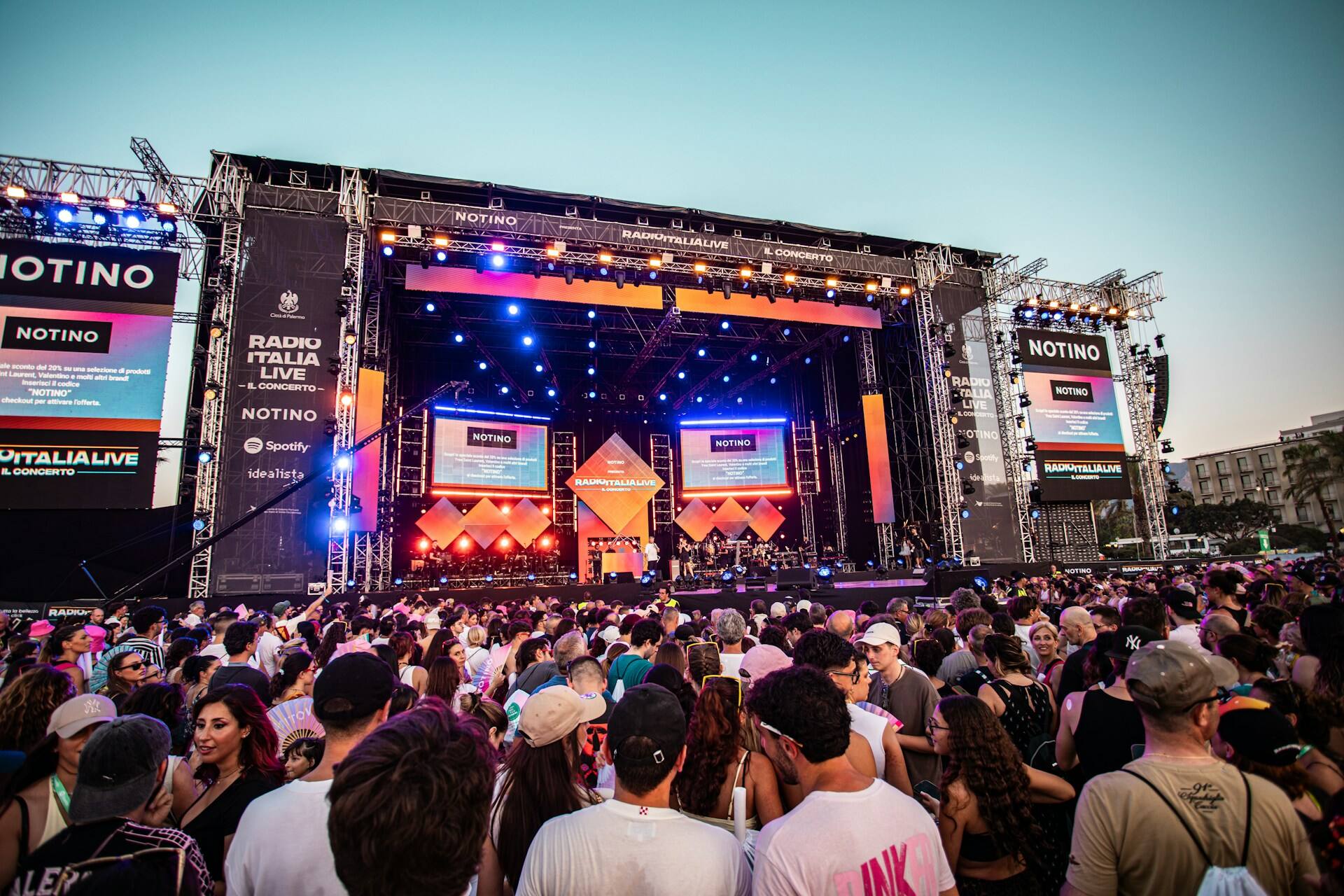
It all starts with a neat idea to plan a festival in Dubai. Reality arrives fairly quickly: a site needs to work, artists need schedules, technical crews need access, guests need clear routes, suppliers need deadlines, authorities need the right information, and somebody has to keep all of it moving toward the same opening time.
That part deserves respect.
Someone’s Event primarily works on large-scale productions where multiple teams, technical systems, performers, venues, vendors, ticketing, security, media, and audience operations may fall under a single production plan. Festivals fit naturally into that field because scale comes as much from operational complexity as from guest count.
Dubai adds its own character. Outdoor seasons matter. Traffic matters. Venue access matters. International performers can introduce travel requirements. Public events bring permit work. A festival may feel carefree to the guest, yet the production behind it runs on hundreds of deliberate decisions.
Here is where we would start.
Define Your Festival Concept and Target Audience
Festival concepts work best when the idea can survive a very simple question: who is genuinely coming?
Music festival audiences in Dubai behave differently from families at a community festival. Cultural festival guests may spend more time at exhibitions or talks.
Corporate festival guests may value hospitality and networking areas. Brand-led formats may place heavier emphasis on product interaction and media content.
Someone’s Event starts with the audience and purpose because those answers influence almost everything that follows.
Think about age profile, expected arrival times, program length, food preferences, transport habits, ticket model, and the amount of time guests may spend on site.
Then think about programming.
One stage or several?
International artists or regional performers?
Continuous entertainment or scheduled headline periods?
Food village?
Sponsor areas?
Cultural installations?
Family zones?
Good festival planning creates a reason for people to move through the site and another to stay.
Set a Realistic Festival Budget
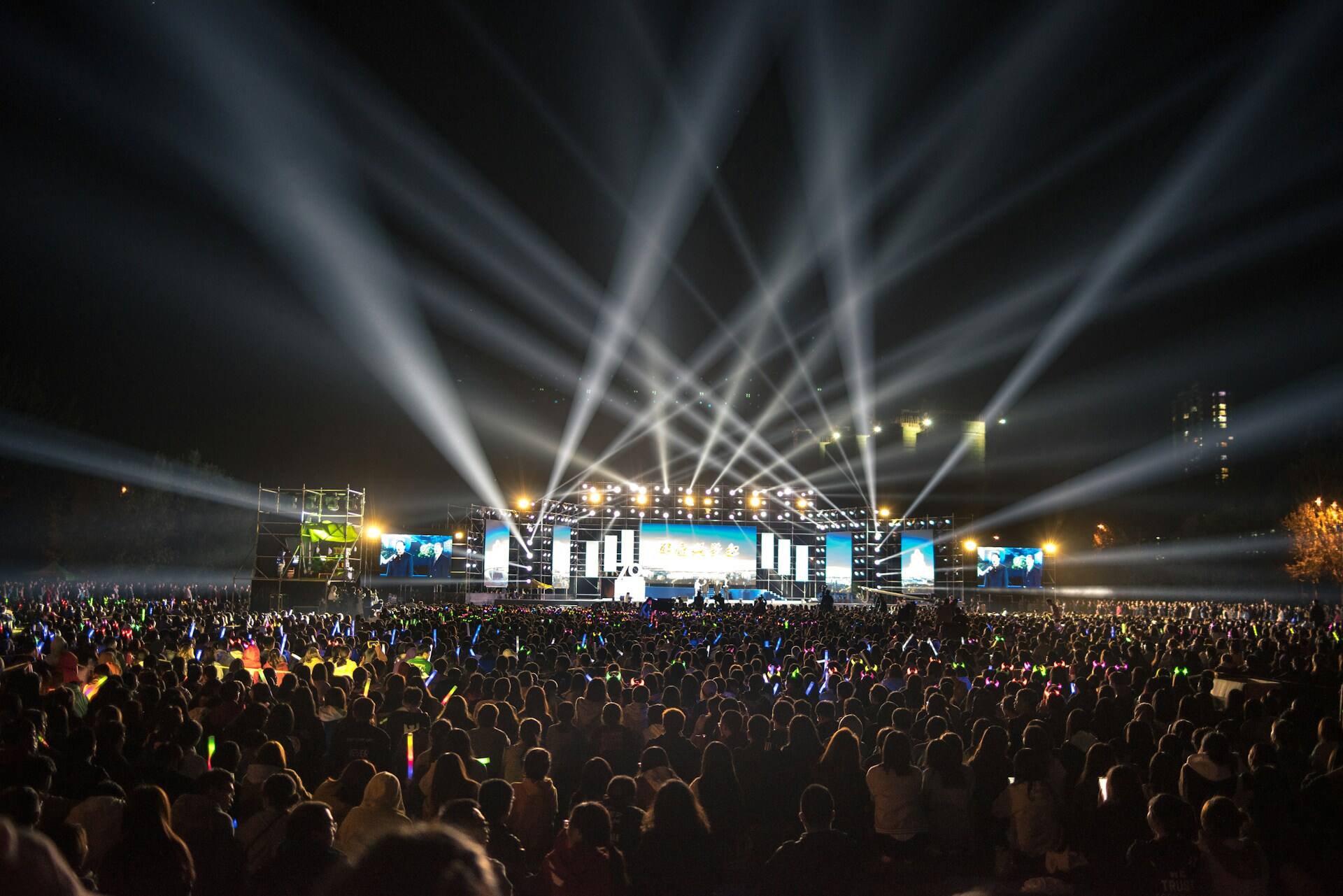
Festival budgets can grow surprisingly quickly because a site needs far more than just a stage and a performer.
Production may include staging, sound, lighting, LED systems, power distribution, temporary infrastructure, security, medical support, staffing, ticketing, transport, artist costs, hospitality, permits, food operations, media production, barriers, sanitation, and site restoration.
Start with the major cost families.
Then attach real assumptions.
How many operating days?
How many build days?
How many stages?
How many performers?
How many guests?
Which technical systems already exist at the venue?
Which systems require temporary installation?
Someone’s Event bases production proposals on project scale, venue, audience capacity, artist requirements, technical requirements, security, duration, ticketing, media, and wider operational scope.
Budget discipline protects creative decisions later.
Spend where guests genuinely feel the difference.
Great sound usually matters.
Good sanitation certainly matters.
Useful shade during a daytime outdoor festival matters.
Twenty decorative objects hidden behind a sponsor wall probably matter far less.
Choose the Right Festival Venue in Dubai
Festival venue selection in Dubai starts with capacity, then quickly moves into access and infrastructure.
Beautiful land can still create a difficult festival site.
Ask practical questions.
How do trucks enter?
Where does the production load come from?
How do guests arrive?
Where do taxis collect people?
Where can ride-hailing vehicles queue?
Where do artists enter?
Where does emergency access sit?
How far are restrooms from high-traffic zones?
Can the site support the required power?
Which areas can host food operators?
How will guests leave after the headline performance?
Someone’s Event assesses audience movement from the vehicle approach through pedestrian routes, ticket validation, screening, internal circulation, seating or open audience areas, and eventual departure, as appropriate to the project.
Outdoor festival Dubai projects bring another consideration: climate.
Season and program hours can influence shade requirements, water access, staff rotation, equipment protection, and guest comfort.
Festival site planning works best when the production team studies the location as a working site first and a photograph second.
Understand Festival Permits and Approvals
Public festival planning in Dubai needs permit work built into the production schedule early, because the Department of Economy and Tourism states that venues or organizers planning entertainment, sports, charity, religious, or business events require an event permit through Dubai’s e-Permit system. (Dubai Department of Economy & Tourism)
The exact approval path can vary according to the festival’s format, location, activities, and production requirements.
That means permit planning should start once the basic event information becomes stable enough for formal work.
Venue.
Date.
Festival format.
Audience plan.
Performers.
Technical scope.
Public access.
Relevant production documentation.
Dubai Calendar can list an event once the required permits are in place, according to DET’s current event-listing guidance. (Dubai Department of Economy & Tourism)
Someone’s Event operates from Dubai and manages productions across the UAE, so local production planning forms part of the company’s operating base.
Treat authority work like production work.
Give it time.
Give it accurate information.
Keep changes visible to the people managing approvals.
Plan Festival Production and Technical Requirements
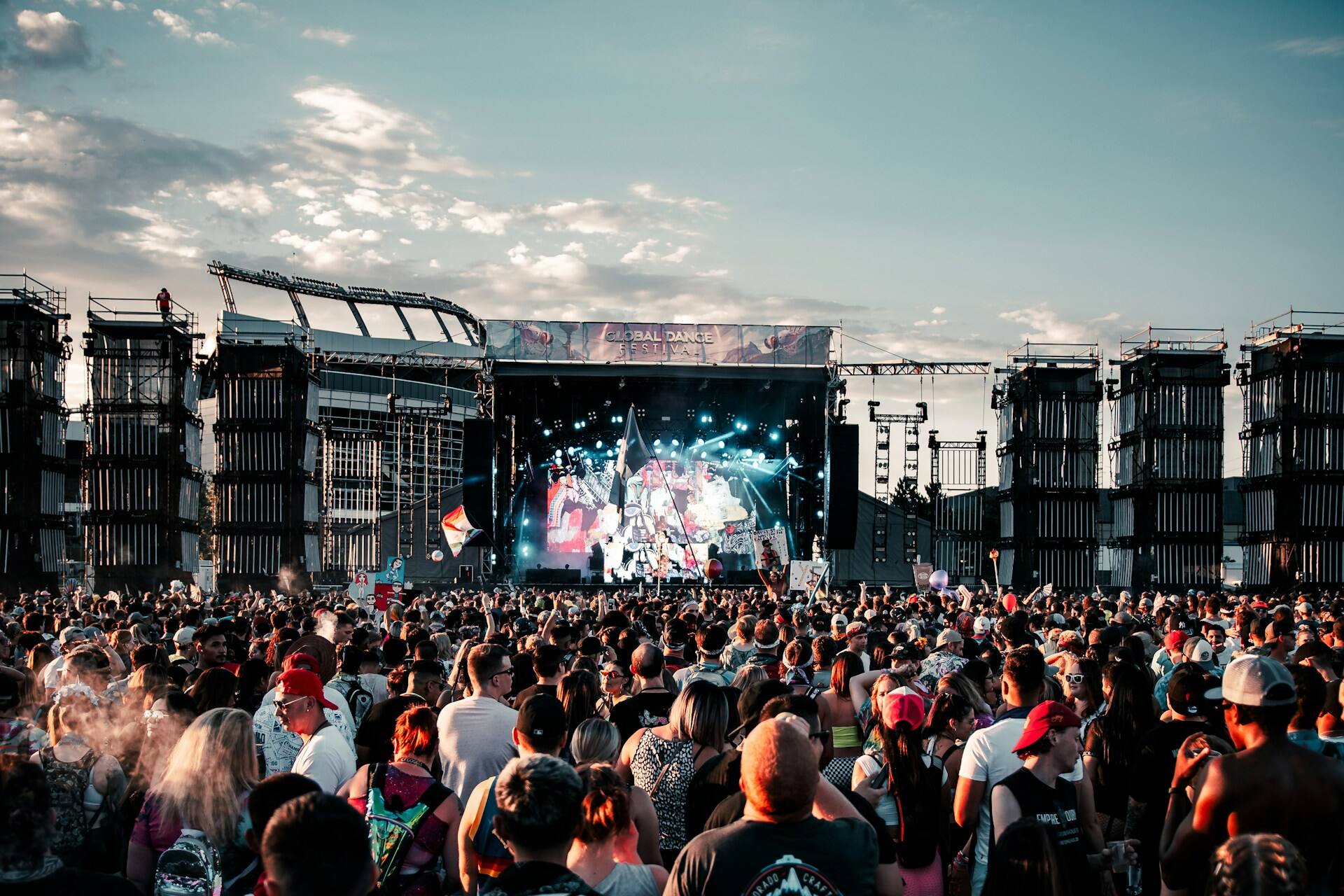
Festival production teams in Dubai often manage several technical environments within a single site.
Main stage.
Secondary stage.
DJ area.
Brand activation.
Media zone.
Food area.
Public announcement systems.
Each area may need power, lighting, sound, communication, crew access, and scheduled installation.
Technical planning starts with the festival program.
A major concert stage may require an artist rider review, staging, sound systems, lighting systems, LED systems, cameras, rehearsal time, soundchecks, backstage areas, and artist movement plans.
Smaller performance areas need their own realistic specifications, too.
Someone’s past work includes technical planning at major international productions. The company governed stage design and technical planning for Burna Boy’s 2023 Europe Tour, including CAD drawings, rigging maps, lighting plots, technical specifications, system testing, and tour logistics.
For the official FIFA Fan Festival during the 2022 Qatar World Cup, Someone’s Event oversaw the artist lineup and production flow, including rehearsals, stage transitions, soundcheck rotations, technical supervision, local vendor coordination, and production logistics.
Festival production benefits from the same discipline.
Stages need schedules.
Crews need call times.
Artists need arrival plans.
Equipment needs routes.
The audience needs none of those details.
They simply need the festival to work.
Create a Strong Audience Experience
Audience experience begins before the first performance.
It starts when someone decides to attend.
Ticket information should feel easy to understand.
Arrival instructions should help.
Signage should answer obvious questions.
Entry should move at a sensible pace.
Once guests enter, the site should make sense within minutes.
Where is the main stage?
Where is the food?
Where are the restrooms?
Where is first aid?
Where is the next performance?
Festival audience planning should consider natural movement between attractions.
A famous artist can quickly draw thousands of people to one area.
Food service can create another concentration during a program break.
Sponsor attractions can create queues where the original site plan expected open circulation.
Production teams need to think like guests.
Walk the route.
Stand where people will stand.
Look at the stage from the rear.
Check how far someone must walk for water.
Try the route between two popular areas.
Good audience planning often comes from very ordinary observations.
Manage Crowd Safety and Security
Crowd management in Dubai planning starts with expected behavior and physical movement.
Security numbers alone tell only part of the story.
Festival teams should understand where guests arrive, where queues can form, how people move between stages, which areas may attract sudden concentrations of people, and how the site handles departures after major program moments.
Someone’s Event’s large-scale production scope can include security planning, audience movement, accreditation, ticket access, artist routes, backstage access, vehicle management, medical support, and emergency procedures, as needed.
Communication matters here.
Security supervisors need direct links to production leadership.
Stage teams need to know when audience conditions affect program decisions.
Medical teams need usable access.
Guest-facing staff need simple instructions.
Crowd safety feels strongest when planning starts during site design rather than on show day.
Coordinate Vendors, Performers, and Event Staff
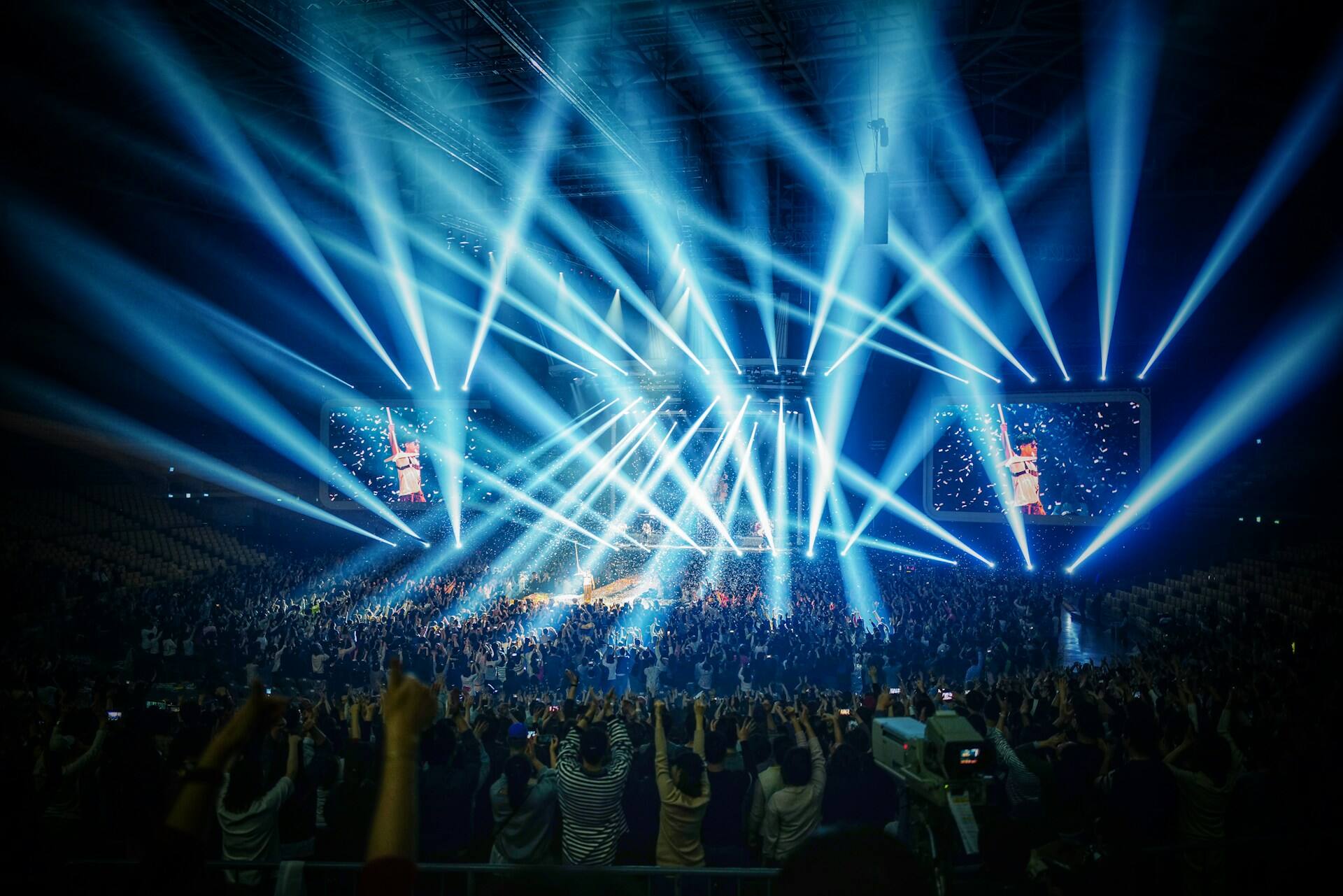
Festivals bring a lot of people to work before they bring guests to enjoy anything.
Technical suppliers.
Food operators.
Artists.
Artist teams.
Security.
Cleaning crews.
Ticket staff.
Drivers.
Media teams.
Hosts.
Sponsor teams.
Site staff.
Production management.
Someone needs to coordinate their access and schedules.
Vendor management works best through clear scopes and realistic deadlines.
Performers need accurate call sheets.
Food operators need to set up windows.
Technical crews need installation periods.
Security teams need briefings.
Event staff needs zone assignments.
Someone’s Event can work with relevant SEG companies according to a project’s requirements. Someone’s Ticket can support ticketing and QR access for suitable events, while Someone’s Plan can support selected talent, vendor, influencer, or external venue sourcing.
The festival remains one production.
Support partners enter where their role genuinely helps.
Manage Festival Day Operations and Execution
Festival day feels fast because months of preparation suddenly become live decisions.
Production leadership needs an accurate schedule and clear authority.
Who approves a program change?
Who speaks with artist management?
Who manages stage calls?
Who watches audience flow?
Who handles technical escalation?
Who coordinates security?
Who communicates with the venue?
Who updates the client?
Strong festival operations, Dubai teams already know those answers when the gates open.
Someone’s Event’s production approach can integrate stage schedules, artist movement, technical systems, audience access, security, media, hospitality, and live timing into a single, broader production plan.
Then real life arrives.
An artist needs ten extra minutes.
A supplier calls from the wrong entrance.
One food area becomes busier than expected.
A presentation file has changed.
Traffic alters a guest arrival pattern.
Production teams make decisions.
Good ones make calm decisions.
That is the part guests rarely see.
They hear the music.
They meet friends.
They eat.
They walk between stages.
They go home with a story.
Behind that easy afternoon or long festival night sits a production team that kept thousands of small pieces moving in the same direction.
Festival planning in Dubai works best when concept, budget, venue, permits, production, audience planning, safety, suppliers, and live operations begin as parts of the same conversation.
Someone’s Event works precisely in that territory: large-scale live productions where creative ambition needs people who understand what happens after the idea leaves the page.
