
Event Management4 min read
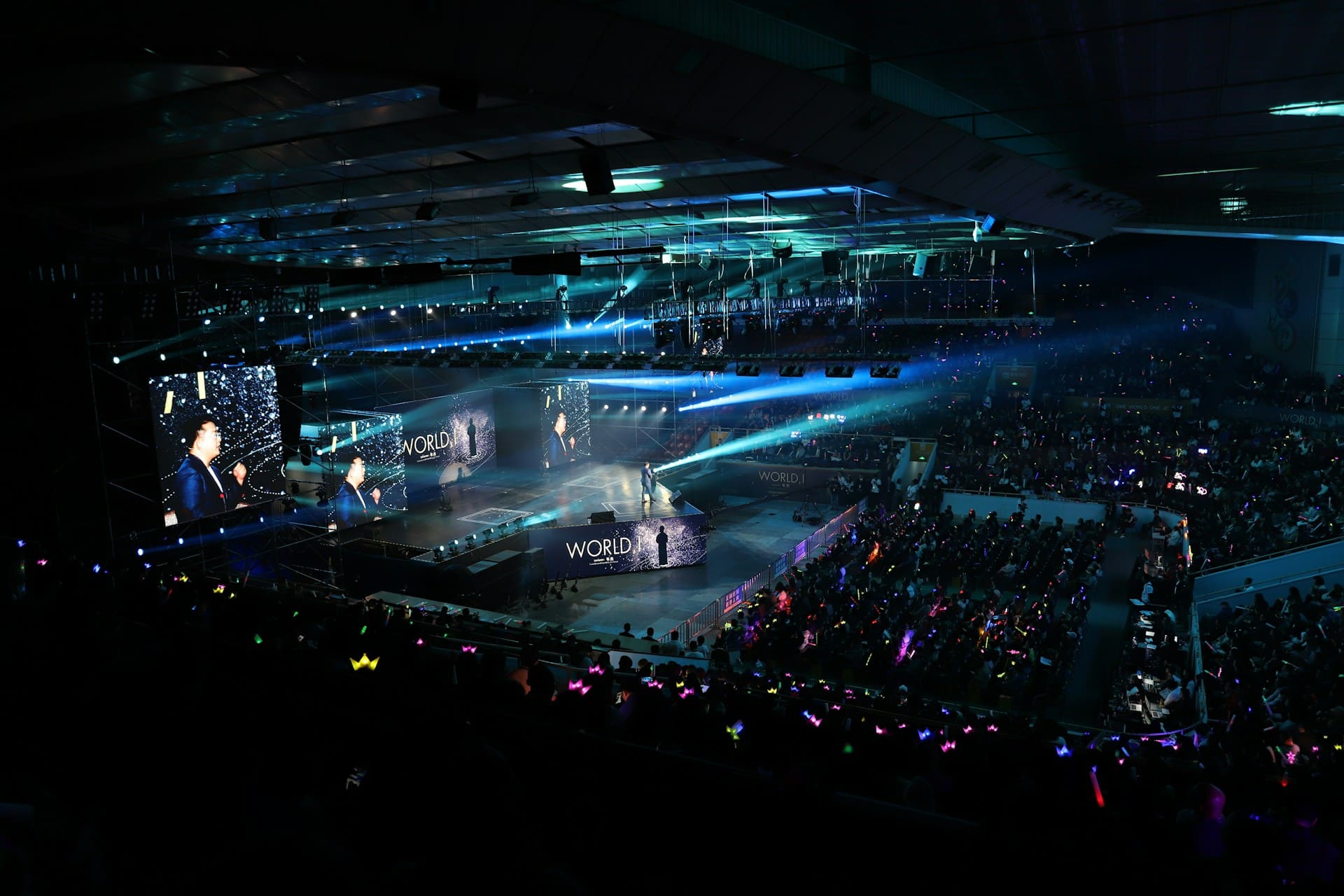
Event Planner vs Event Production Company: Which Do You Need?
People use “event planner” and “event production company” as if they mean the same thing, yet the jobs can look very different once a real event starts taking form.
One team may help choose a venue, book suppliers, organize invitations, manage catering, and keep the client’s checklist moving.
Another team may design the stage, direct technical crews, manage sound and lighting, coordinate artist schedules, build the production timeline, and run the live show.
Sometimes you need one.
Sometimes you need both.
The right answer comes from the event itself.
Someone’s Event focuses mainly on large-scale productions, where planning and live production often overlap within the same project. Concerts, festivals, corporate launches, panels, summits, and public programs usually involve enough moving parts to make the difference between planning and production very real.
So let’s clear it up.
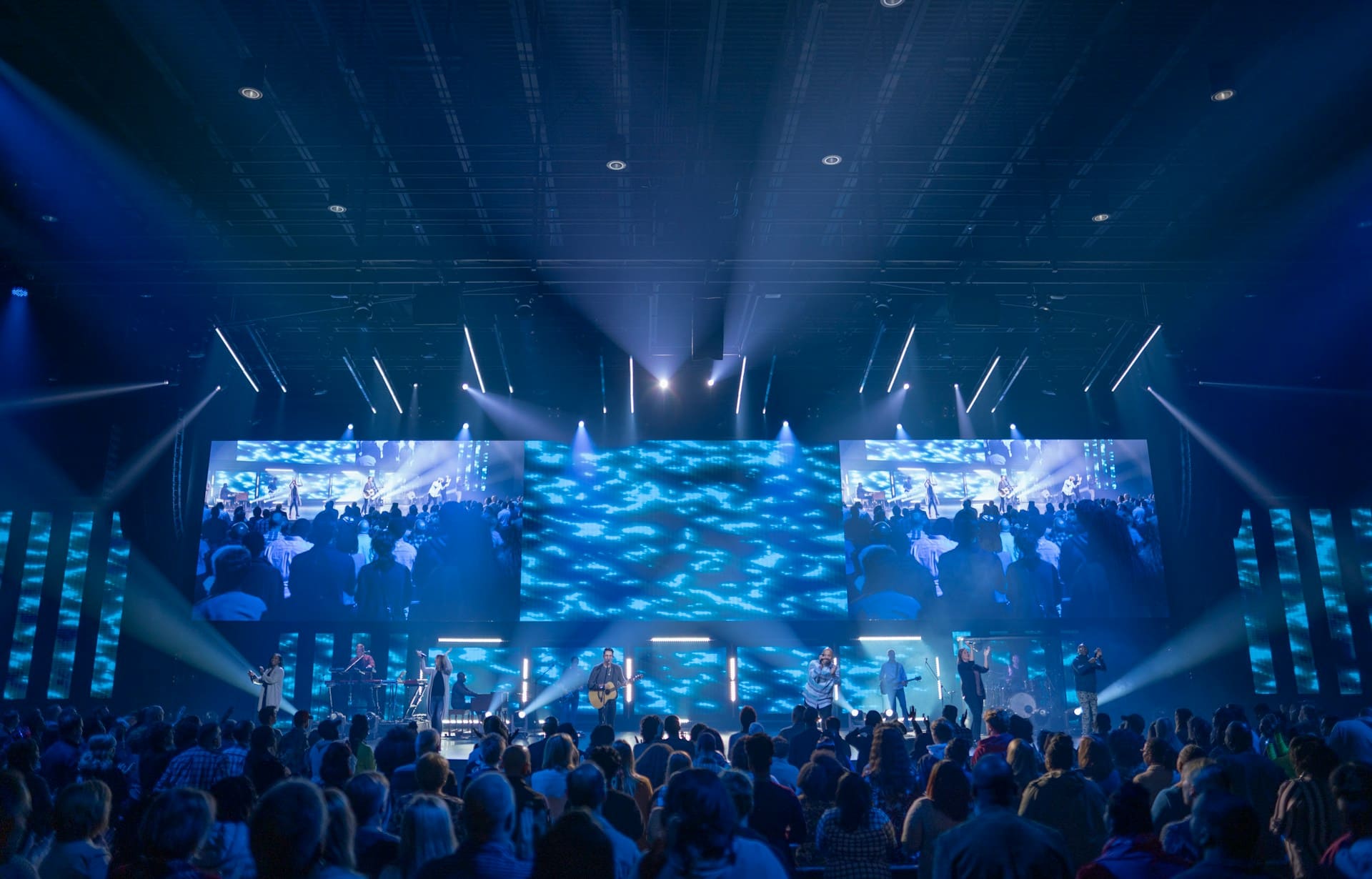
What Does an Event Planner Handle?
Event planners usually manage the organizational side of an event and help clients move from an initial idea toward a workable plan.
Typical event planning services may include venue research, guest lists, invitations, catering, transportation, scheduling, décor suppliers, entertainment bookings, and vendor coordination.
Corporate event planners may also spend a large amount of time with internal
teams.
Marketing needs updates.
Finance needs costs.
Executives need schedules.
Guests need information.
Suppliers need deadlines.
The planner keeps those conversations moving.
Smaller events can often rely heavily on this type of service. Private dinners, small company gatherings, celebrations, and straightforward networking events may need strong organization while requiring limited technical production.
The planner’s value comes from keeping the event organized and keeping the
client away from hundreds of small decisions.
What Does an Event Production Company Manage?
Event production companies take responsibility for the physical and technical delivery of a live event.
Stage production enters here.
Sound enters here.
Lighting enters here.
LED screens, video systems, rigging, power, rehearsals, backstage activity, show calls, crew schedules, artist requirements, and technical communication can all sit inside event production services.
Large live events need this level of management because technical departments depend on one another.
Stage dimensions affect screens.
Screens affect rigging.
Rigging affects lighting positions.
Lighting affects cameras.
Artist requirements affect stage access.
Stage access affects installation schedules.
One production decision can move through five departments in a few minutes.
Professional event production consolidates those decisions into a single operating plan.
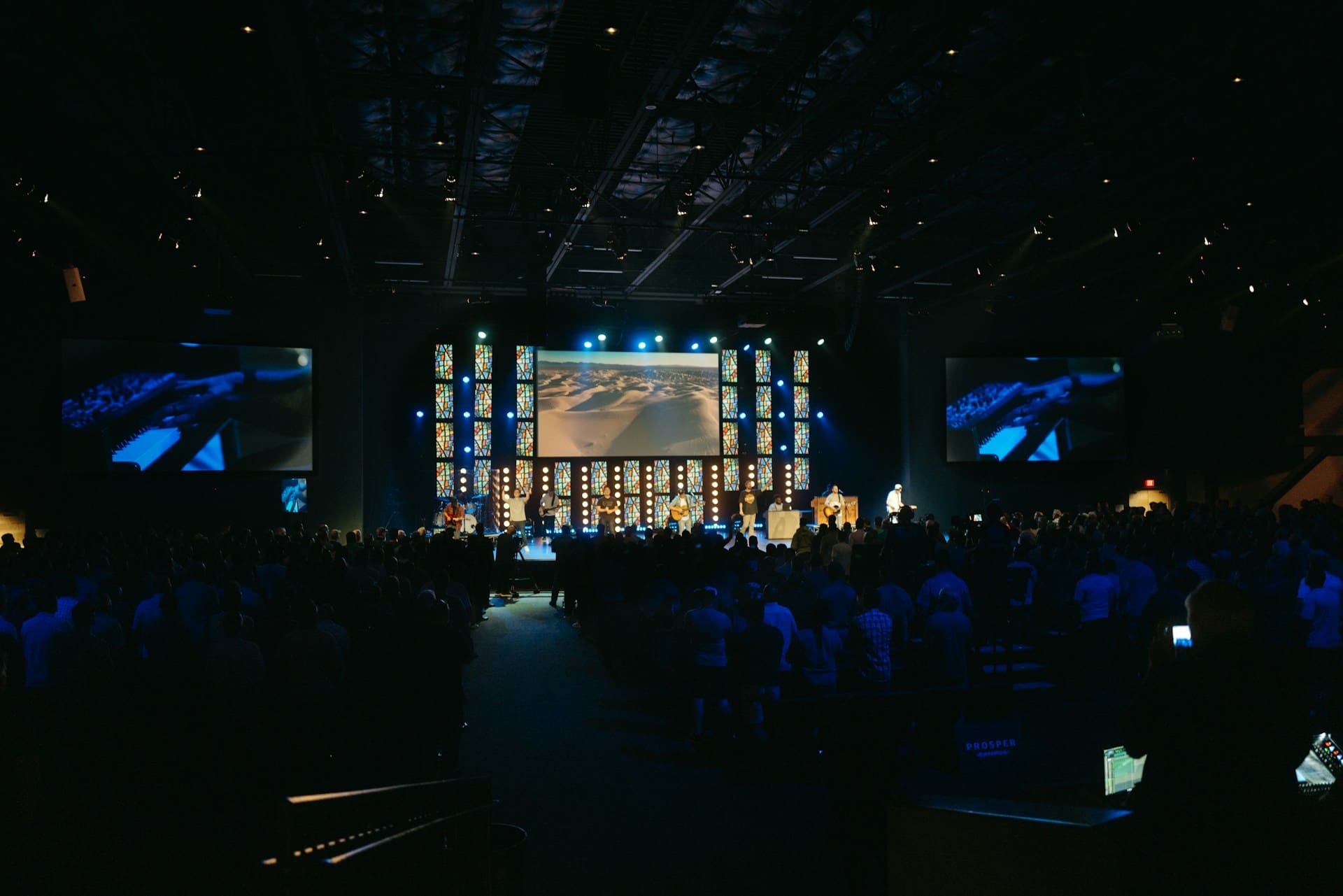
Planning the Event vs Bringing the Event to Life
Planning decides what should happen.
Production works out how it will happen in the real world.
Think about a corporate product launch.
Planning may define the guest list, venue, food, invitation process, speaker
schedule, and overall event agenda.
Production then handles the stage, presentation screens, microphones, lighting scenes, playback, camera positions, speaker calls, technical rehearsals, and live cues.
Both roles matter.
They simply solve different problems.
Concert production makes the difference easier to see.
Booking an artist belongs to one part of the project.
Getting that artist onto a technically ready stage at the correct time requires
another level of work.
Crew access must happen.
Equipment must arrive.
Soundcheck needs a slot.
Lighting needs programming.
The stage needs inspection.
Artist teams need communication.
The audience still expects the music to start on time.
Production connects the idea to the live moment.
How Their Services, Teams, and Responsibilities Differ
Event planning teams often work closely with clients, venues, caterers, invitation teams, and general suppliers.
Event production teams usually work more closely with technical directors, stage managers, audio engineers, lighting teams, video operators, riggers, production
crews, artists, and venue technical staff.
Their timelines differ, too.
Planners may begin months ahead with concept discussions and supplier searches.
Production teams may enter early for complex events and become increasingly active as technical design develops.
Show week changes everything.
Production teams begin handling load-in, stage installation, technical tests, rehearsals, backstage calls, and live operations.
During the event, the planner may monitor guest-facing activity while the production team watches the show.
Different desks.
Same event.
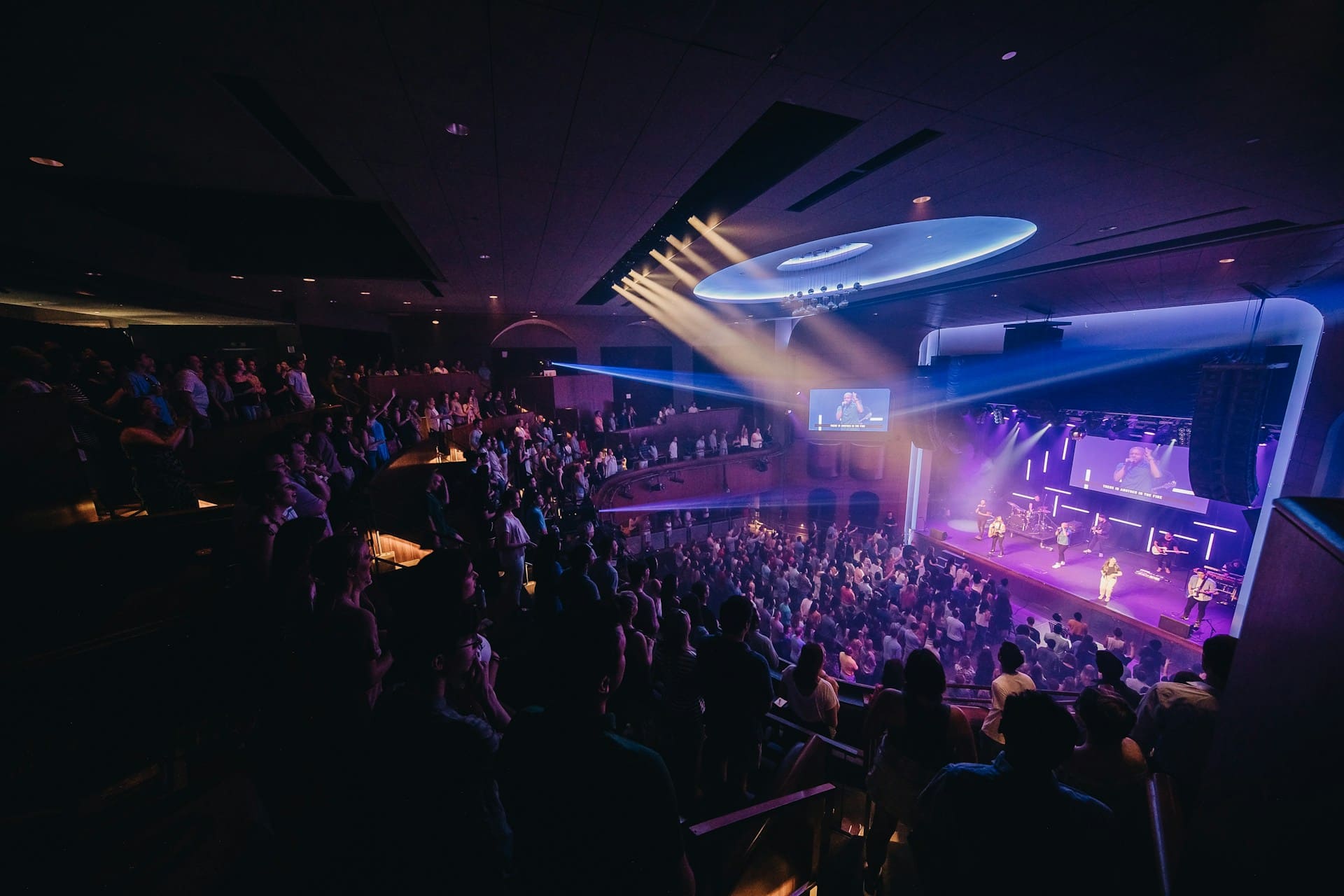
Which Events Only Require an Event Planner?
Smaller events with limited technical needs may work perfectly well with an
experienced planner.
Think private dinners.
Small networking events.
Simple corporate receptions.
Internal team gatherings.
Low-complexity celebrations.
Such events may use existing venue sound systems and minimal entertainment.
The venue may already provide furniture and catering. Guest numbers may remain manageable through a simple registration process.
In those cases, a full technical production team may add little value.
Good planning can carry the event.
Once staging, live entertainment, large guest numbers, multiple suppliers, or
complex technical requirements are included in the brief, the equation changes.
When Is Professional Event Production Essential?
Professional event production becomes important when the event relies on technical systems or live timing.
Concerts are an obvious example.
Festivals are another.
Large corporate summits often require production support as well.
Product launches can become surprisingly technical once LED walls, cameras, presentation playback, media feeds, and timed product moments are added to the
schedule.
Large-scale event production may require technical drawings, stage design, lighting plans, audio systems, video playback, power planning, crew coordination, rehearsals, show calling, backstage management, and event logistics management.
Those responsibilities deserve people who work with them regularly.
The difference becomes very simple on show day.
Someone has to call the cue.
Someone has to know what happens next.
Do You Need Planning, Production, or Both?
Start with complexity.
How many guests?
How many suppliers?
Does the event have a stage?
Will artists perform?
Will senior speakers appear?
Do you need professional sound and lighting?
Will the event use large screens?
Are there several program segments?
Does the event require ticketing?
Will the media attend?
Are there multiple guest categories?
If most answers point toward technical work and live coordination, production belongs in the conversation.
Many major events require both planning and production.
That model can be easier for the client because one company sees the full event and understands how commercial, guest-facing, and technical decisions affect one another.
How to Choose the Right Company for Your Event
Ask potential partners what they actually manage.
Simple question.
Very useful answer.
Some companies mainly plan.
Some mainly supply technical equipment.
Some manage full event production.
Some cover event planning and production as one service.
Look at relevant project history.
Ask who runs the live show.
Ask who manages technical suppliers.
Ask who owns the master schedule.
Ask who speaks with the venue.
Ask who handles rehearsals.
Ask who approves operational changes.
Ask what happens when something changes on event day.
Good companies answer directly.
You should understand their role by the end of one conversation.
Why Full-Service Event Management Can Be the Better Choice
Complex events become easier to manage when planning and production share
one leadership line.
Clients spend less time transferring information between teams.
Production decisions reach planners quickly.
Budget changes become easier to trace.
Venue discussions include technical needs earlier.
Artist requirements reach stage teams faster.
Guest plans remain connected to site operations.
Full-service event management can work particularly well for corporate events in
Dubai, as well as for concerts, festivals, launches, and summits, where many departments need a single shared schedule.
Someone’s Event approaches major projects from that wider production
perspective.
The aim stays practical.
One event.
One production direction.
Clear responsibility.
Ready to Plan and Produce Your Event in Dubai
Choosing between an event planner and an event production company becomes easier once you stop looking at the job title and start looking at the work.
Small event with simple logistics?
Planning may be enough.
Large live event with staging, technical systems, artists, several suppliers, and a
demanding schedule?
Production becomes central.
Complex project with guest planning and technical delivery?
You probably need both.
Someone’s Event works with large-scale events where planning, technical production, logistics, artist coordination, audience operations, and live delivery
must work in tandem.
Good events rarely feel complicated to the guest.
The people who produce them have already handled the complicated part.
