
Event Management4 min read
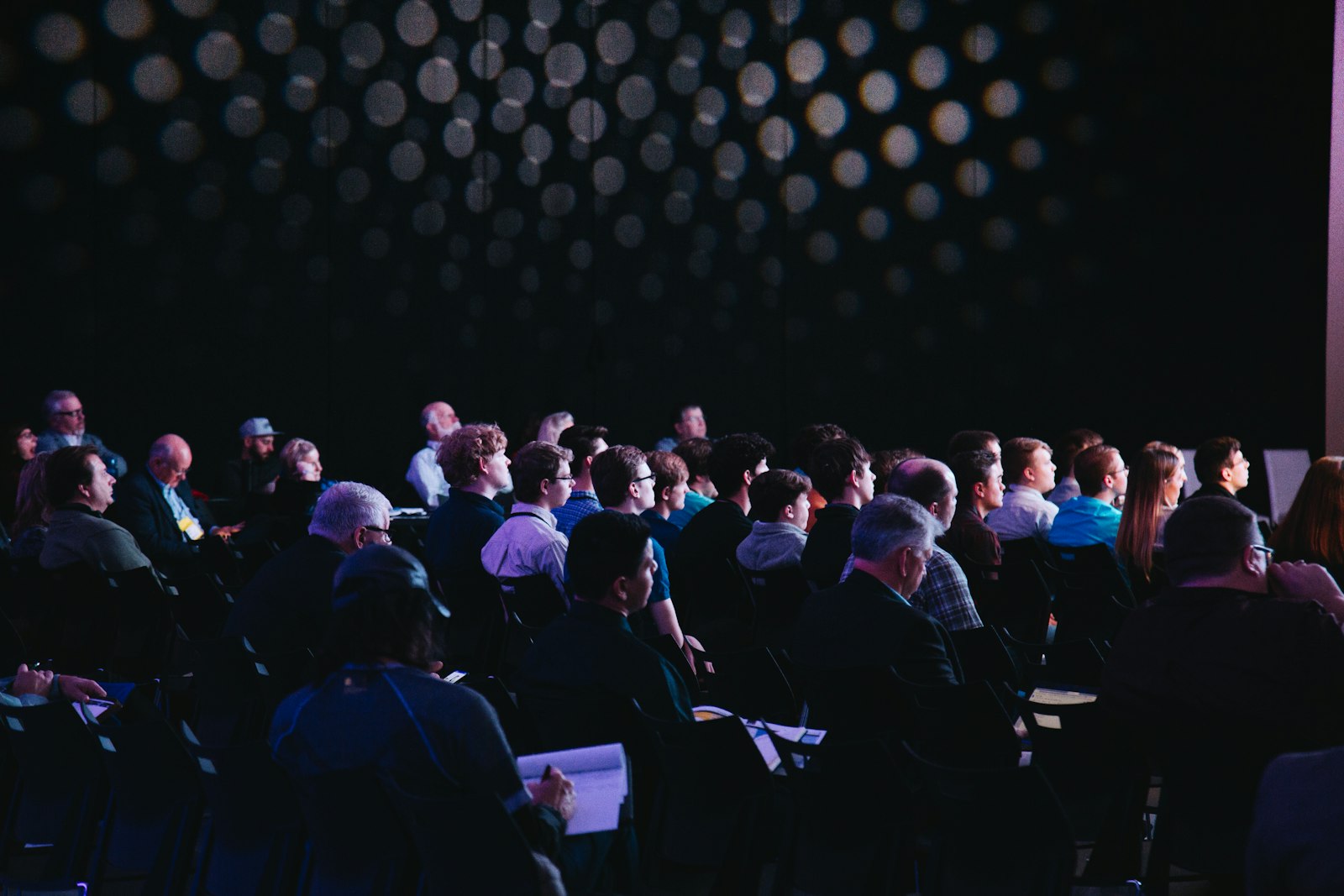
Corporate summit planning can look fairly straightforward when you first write the agenda. Book a venue, invite the speakers, put a screen behind the stage, register the guests, and start the first session.
Real summit production gets busy very quickly.
The keynote speaker needs a rehearsal window. Panelists need microphones.
Presentation files arrive in different formats. Cameras need positions. VIP guests may need a separate arrival route. Registration gets busy twenty minutes before the opening session. One speaker runs eight minutes late, and the next panel suddenly has a shorter changeover.
Someone’s Event works with major live productions such as corporate launches, panels, summits, public programs, and international entertainment projects. Its production scope can include venue assessment, speaker and performer operations, technical production, audience access, media, hospitality, rehearsals, and event-day management.
Good summit planning keeps all of those parts connected while the guest experiences something much simpler: arrive, find a seat, hear good speakers, understand the content, meet useful people, and enjoy the day.
What Goes Into Planning a Successful Corporate Summit
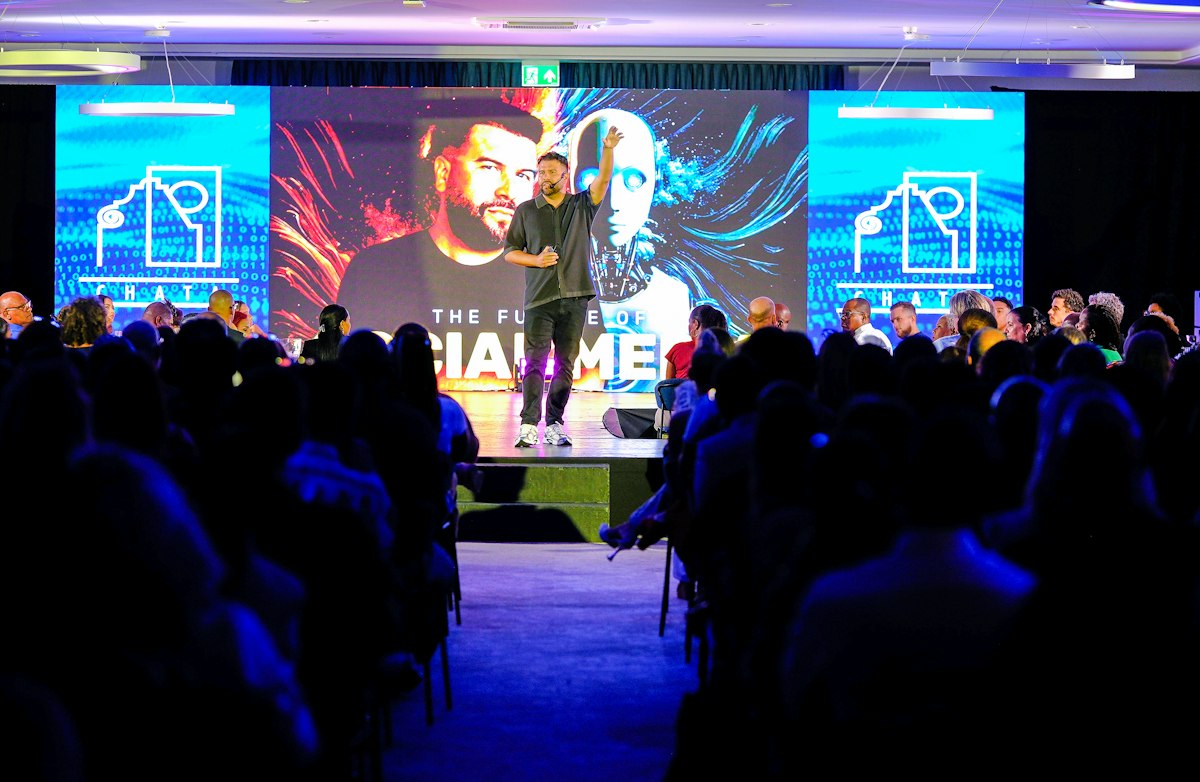
A corporate summit is part conference and part live production. Speakers and content sit at the center, yet the physical event around them has to support the conversation.
Venue choice affects guest movement and technical production. Stage dimensions affect speaker comfort and camera angles. LED screens affect presentation design. Session length affects catering periods and networking time. Registration affects the opening schedule.
Corporate event management therefore needs people who understand the agenda and the physical production behind it.
Someone’s Event includes panels and summits within its major live-production work. Speaker operations, delegate registration, stage programming, interpretation, session recording, live streams, media areas, and VIP routes can be part of summit production, depending on the project.
Start With Clear Summit Goals and Audience Expectations
Start with the reason people are coming.
Maybe the company wants senior leaders to discuss a new business direction. Maybe the summit connects investors with founders. Maybe the program introduces industry research. Maybe clients are coming for product information and executive access.
Audience expectations should influence the agenda.
Senior executives may value shorter sessions and useful networking periods. Technical audiences may appreciate deeper presentations. International delegates may need interpretation or additional travel information.
Corporate summit planning gets easier once the team understands what guests should learn and who they should meet.
Then the production can support those priorities.
Choosing the Right Venue for a Corporate Summit in Dubai
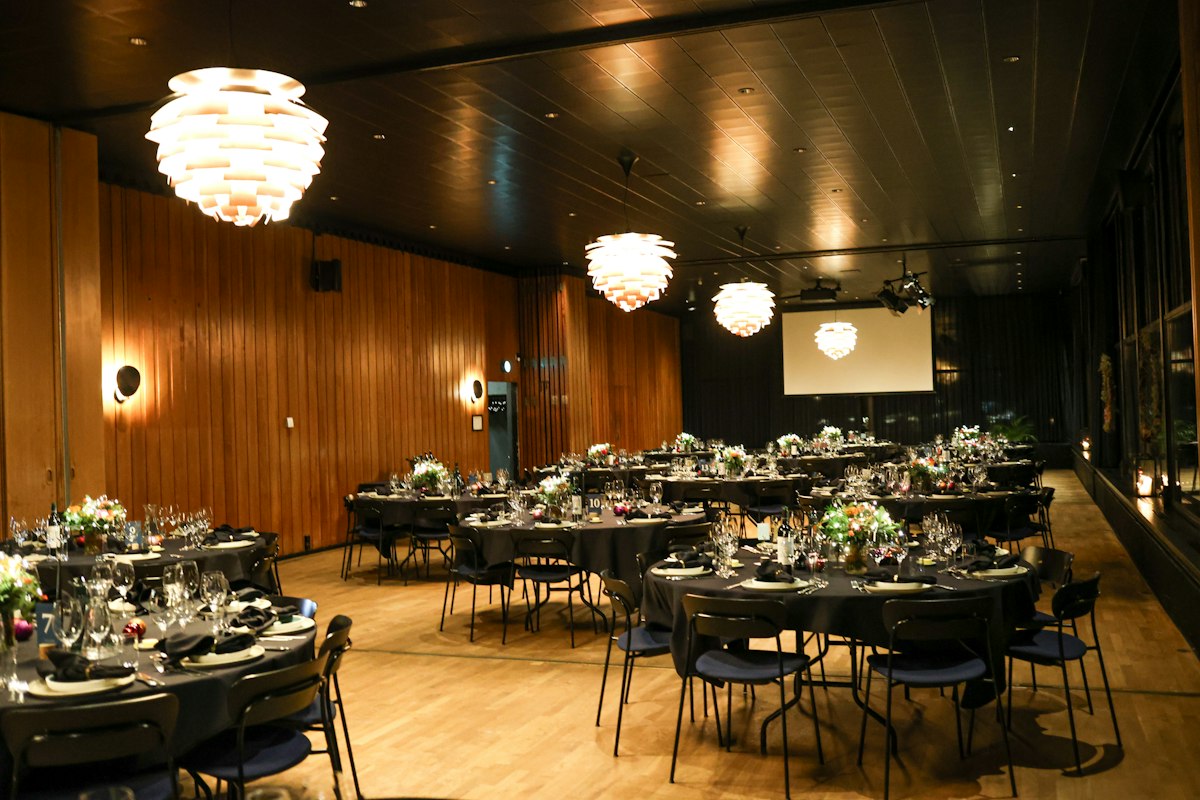
A summit venue in Dubai needs to work for guests and production teams.
Look at guest capacity and seating options. Check stage dimensions and ceiling height. Review loading access and available power. Look at registration space and speaker access. Check where media crews can work and where VIP guests can enter.
Location matters too.
Guests may arrive from hotels or offices across Dubai. Parking and taxi access can affect the first hour of the day. A beautiful venue loses some appeal when hundreds of delegates arrive at one narrow entrance.
Corporate event venue decisions should also consider breakout areas when the program has parallel sessions.
The best venue supports the agenda rather than forcing the agenda around the building.
Designing a Stage That Supports Speakers and the Brand
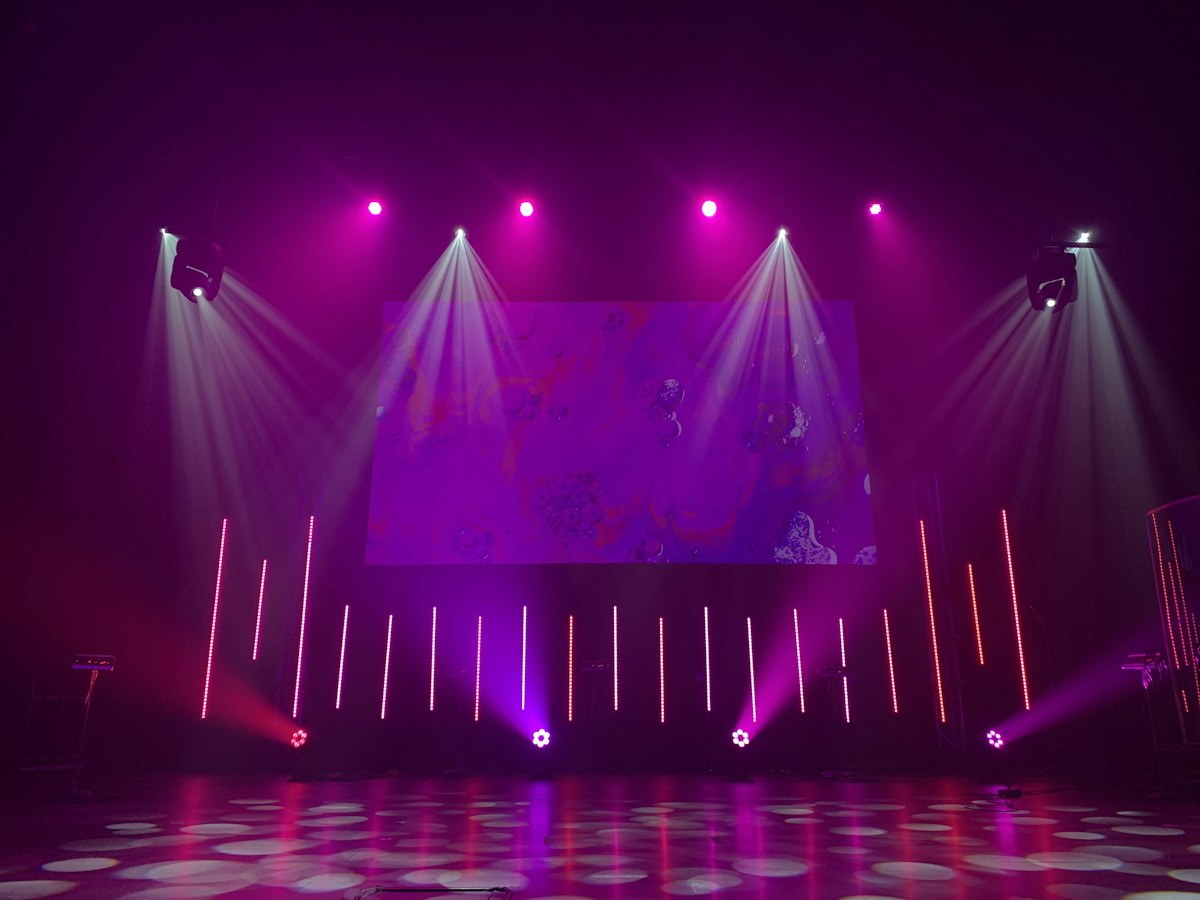
Conference stage design should make speakers feel comfortable and help the audience understand what is happening.
Keynote presentations may need a central speaking position and a large screen. Panel discussions need appropriate seating and microphone placement. Fireside conversations may use a smaller stage format.
Branding belongs in the stage plan, too.
Logo placement should work for the audience and event photography. Screen graphics should remain readable from the back. Camera shots should include useful brand identification while keeping attention on the speaker.
Corporate stage production works best when the stage feels appropriate for the conversation rather than oversized for the sake of appearance.
Planning AV, Sound, Lighting, and LED Screens
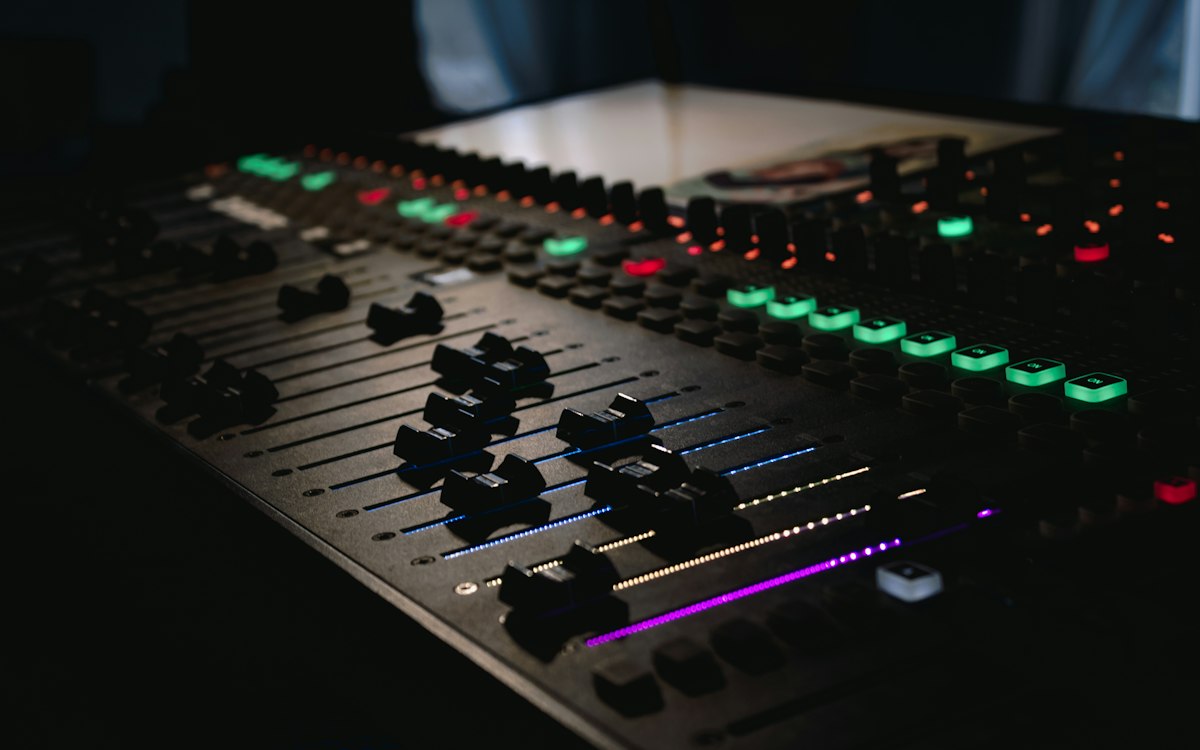
Professional AV setup becomes especially important during a summit because almost the entire day depends on people being able to hear and see information clearly.
The microphone setup should match the session.
A keynote speaker may prefer a headset or lapel microphone. Panelists may use handheld or lapel microphones. Moderators need reliable audio because they move conversations between speakers.
LED screens for events should suit the venue and viewing distance. Presentation files need testing. Video playback needs checking. Confidence monitors can help speakers follow their slides.
Event lighting should work for people in the venue and the cameras.
Audiovisual production may also include session recording or live streaming when the summit has an audience outside the venue.
Managing Keynote Speakers, Panels, and Presentations
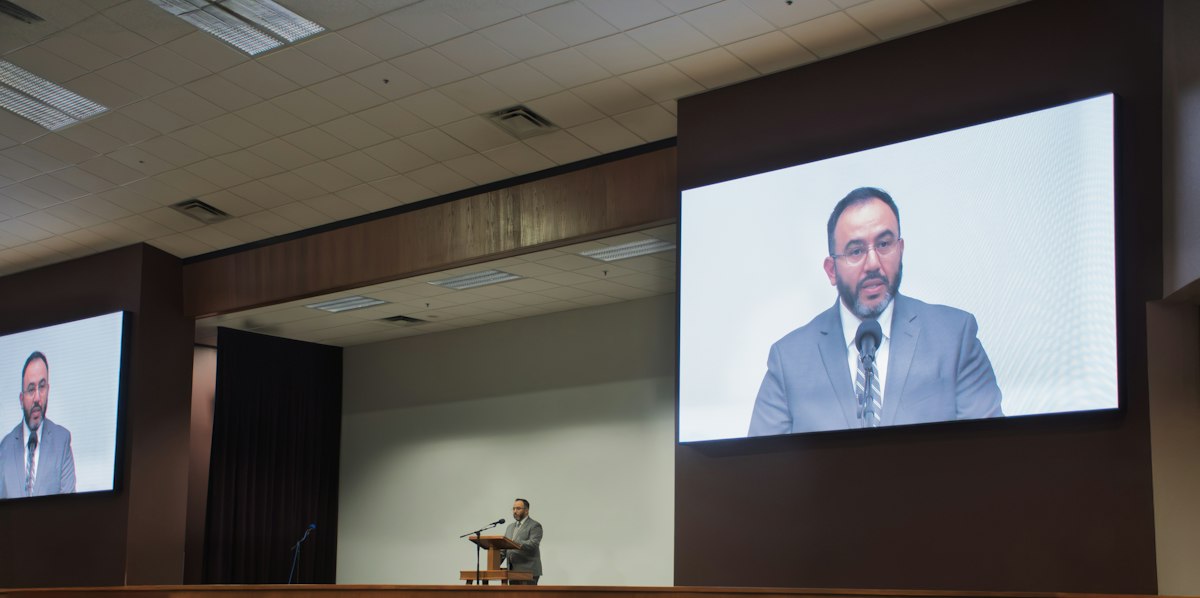
Speaker management deserves much more attention than sending someone a call time.
Keynote speaker coordination can include travel information, arrival timing, presentation deadlines, rehearsal periods, stage access, microphone preferences, and departure plans.
Panel speakers need similar care.
Moderators should know who joins each discussion and how much time they have. Speakers need to know where they wait. Stage managers need accurate names and session information.
Presentation files should arrive early enough for technical review.
Last-minute changes still happen. Corporate events have a funny habit of producing a new PowerPoint file five minutes before somebody walks on stage.
Good production teams plan for reality.
Creating a Detailed Run of Show for the Summit
The event run of show gives the production team a shared live schedule.
It should include guest arrival, opening content, keynote sessions, panel periods, networking breaks, hospitality periods, media moments, and closing activity.
Technical cues belong there, too.
Screen content changes.
Speaker microphones.
Walk-on music.
Lighting changes.
Video playback.
Session transitions.
A useful show schedule gives teams enough information to act quickly while keeping the document easy to read during a live event.
Timing also needs breathing space. Corporate speakers occasionally run over their allotted minutes. A summit plan should have enough flexibility to handle minor delays while protecting the rest of the day.
Planning Registration, Guest Flow, and VIP Experiences
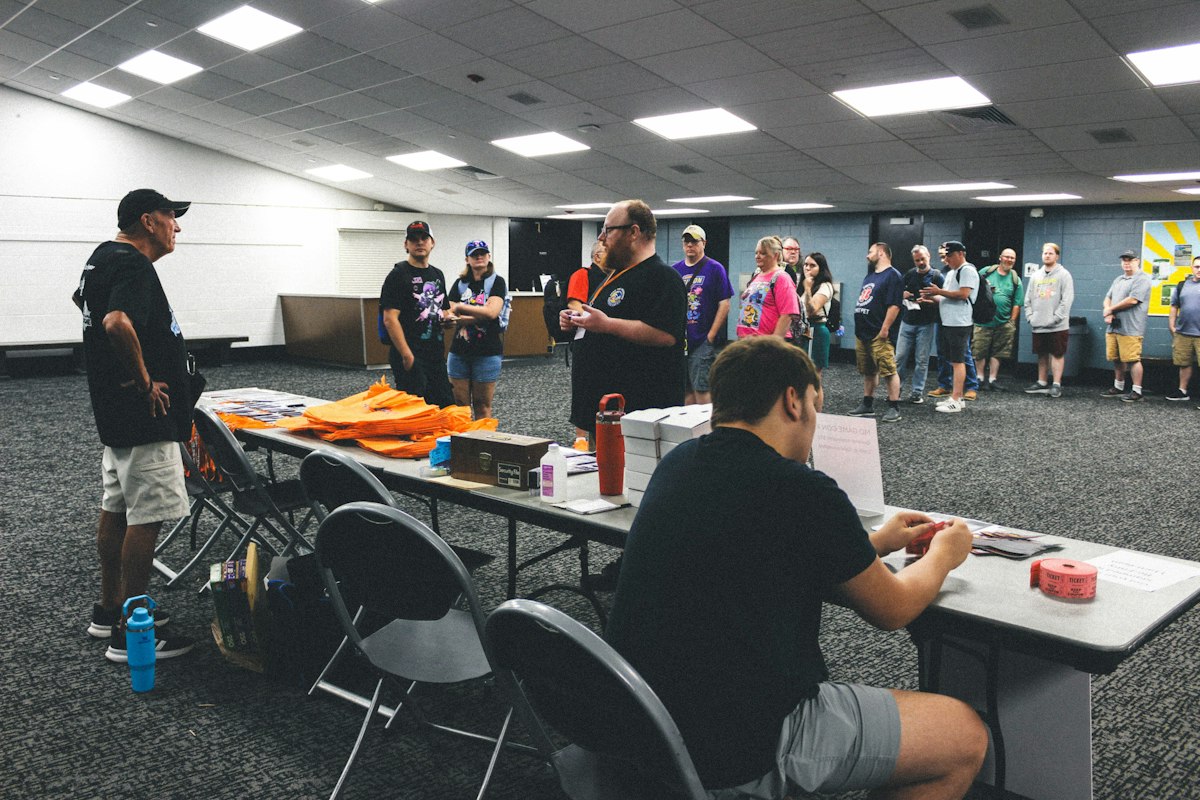
The guest experience starts before anyone reaches the stage.
Registration should feel easy.
Guests should understand where to enter and where to collect accreditation. Staff should know how to handle missing names or last-minute additions. VIP guests may need an alternative arrival route and personal host support.
Guest flow matters during breaks, too.
Hundreds of people may leave the main hall at once. Coffee areas and networking spaces need sufficient capacity to accommodate that movement.
VIP experiences should feel personal rather than complicated.
Executives may appreciate a private waiting area and direct stage access. International speakers may need transport support. Senior guests may need introductions or assistance from the host.
Small practical choices can make a summit feel much better.
Keeping the Audience Engaged Throughout the Event
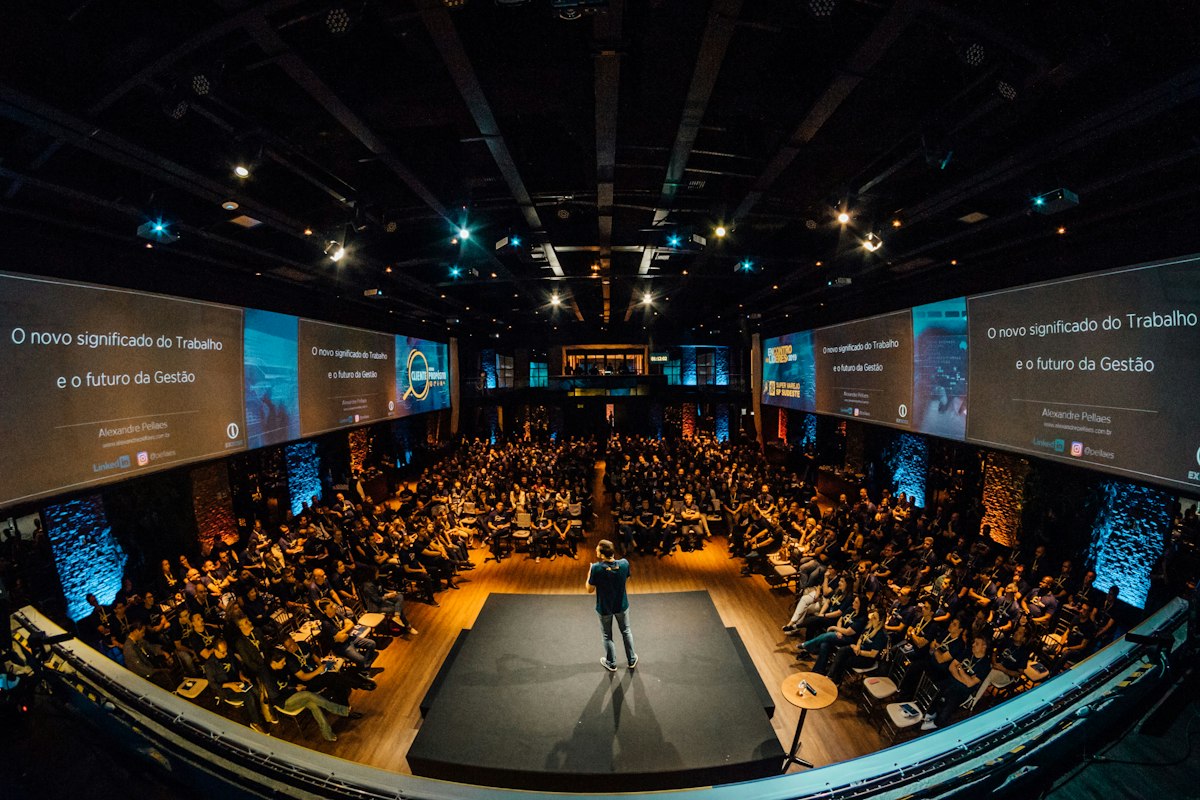
Long corporate programs can test anyone’s concentration.
Good summit planning respects that.
Session length matters. Speaker variety matters. Breaks matter. Networking matters.
Content should also suit the audience.
A full day of forty-minute presentations can feel heavy very quickly. Panels and shorter conversations can give the program different pacing. Product demonstrations or audience questions can add another type of interaction.
Technical production can help too. Good sound keeps attention on the speaker. Useful screen content helps people follow complex information. Camera feeds can help larger audiences see facial expressions during panel discussions.
Engagement begins with good content and sensible programming.
Rehearsals and Technical Checks Before the Summit
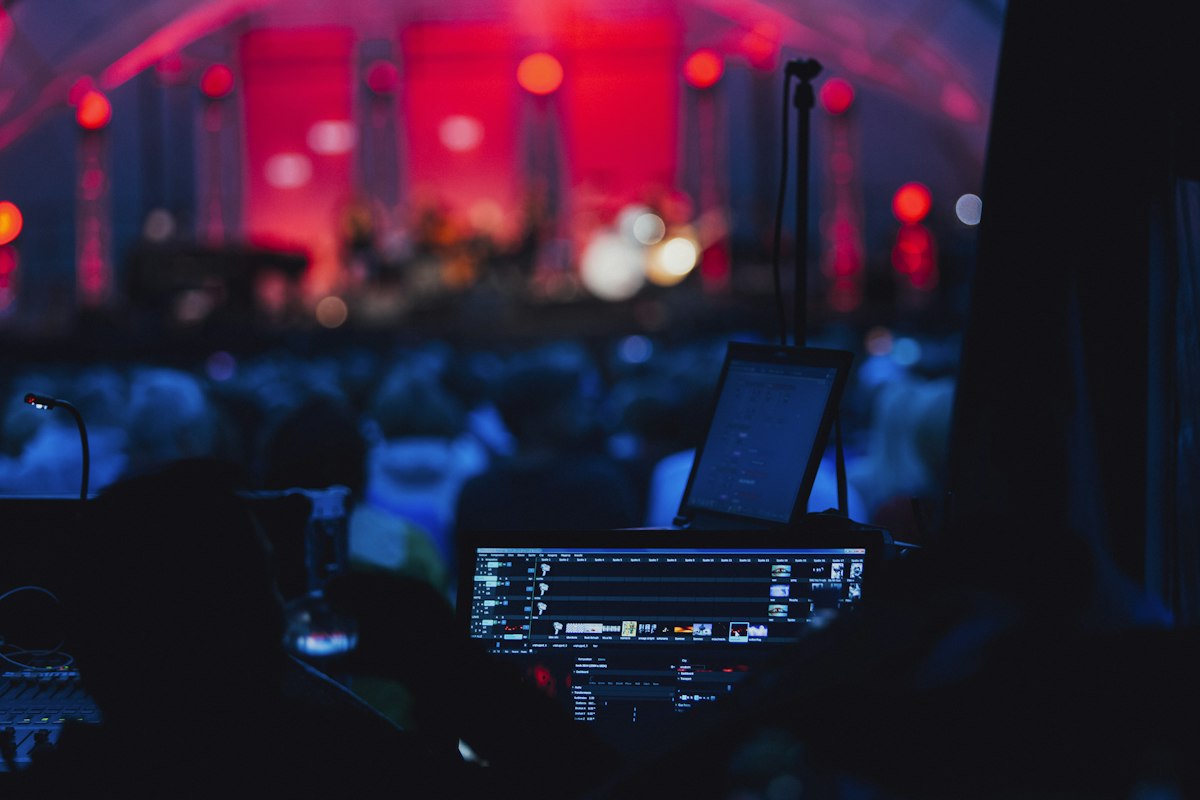
Rehearsals give speakers and production teams time to discover small problems early.
Keynote speakers should test microphones and presentation files. Moderators should understand stage entrances and exits. Panelists should know where they sit. Video playback should receive a full technical check.
Lighting teams can review camera conditions.
Audio teams can check microphone levels.
Stage managers can practice speaker calls.
Speaker rehearsals can also make nervous presenters feel much more comfortable.
Ten minutes on the stage earlier in the day can make a major difference later.
Common Corporate Summit Planning Mistakes to Avoid
Late presentation files create unnecessary pressure.
Weak registration planning creates queues.
Poor microphone choices make good conversations difficult to hear.
Tiny presentation text becomes useless on a large stage.
Overloaded agendas leave guests tired.
Limited rehearsal time creates avoidable technical problems.
Venue choices made only from photographs can create production issues once staging and AV equipment arrive.
Another common issue comes from unclear responsibility.
Someone needs to own speaker communication. Someone needs to own the live schedule. Someone needs to make technical decisions.
Guests should never feel the confusion behind the scenes.
How a Professional Event Production Team Manages the Summit
Professional summit production connects content with the venue and technical work.
Production teams coordinate stage planning and speaker schedules. They work with AV crews and venue teams. They manage technical checks and guest operations. They also keep the live schedule moving once the summit begins.
Someone’s Event’s approved capabilities include stage planning, lighting, sound, video, LED systems, technical schedules, system testing, production coordination, guest entry, VIP access, media positions, and live program management.
Clients should still have a clear point of contact.
The production team handles the complexity so company leaders can spend more time with guests and speakers.
Corporate Summit Planning Checklist
Corporate summit planning should first cover the event objective and audience profile. The team should then confirm the venue and guest capacity. Speaker schedules and presentation deadlines need to be agreed upon early enough for technical preparation.
Stage layout and seating plans should receive review alongside LED screens and AV equipment. Registration and VIP access need their own plan. Speaker rehearsals and technical testing need to be allocated time.
Guest movement between sessions also warrants review. Hospitality periods should fit the agenda. Media activity should have practical locations. The final run of the show should reach the relevant production teams ahead of the live day.
Simple planning questions usually catch the most useful issues.
Can everyone hear?
Can everyone see?
Do speakers know where to go?
Do guests know where to go?
Does the production team know what happens next?
Planning Your Next Corporate Summit in Dubai
Dubai hosts business audiences from many countries and industries, which makes corporate summits an important format for brands and institutions that want real conversations with people in the same place.
Good summit production rarely needs to feel flashy.
It needs to feel easy.
Guests arrive and understand where to go. Speakers feel prepared. Presentations work. Panels start on schedule. Audio sounds clear. Screens are easy to read. VIP guests receive proper care.
Someone’s Event approaches corporate summit production as part of its wider major-event work in Dubai and the UAE.
The guest sees a good day.
The production team sees hundreds of decisions that helped it happen.
