
Event Management4 min read
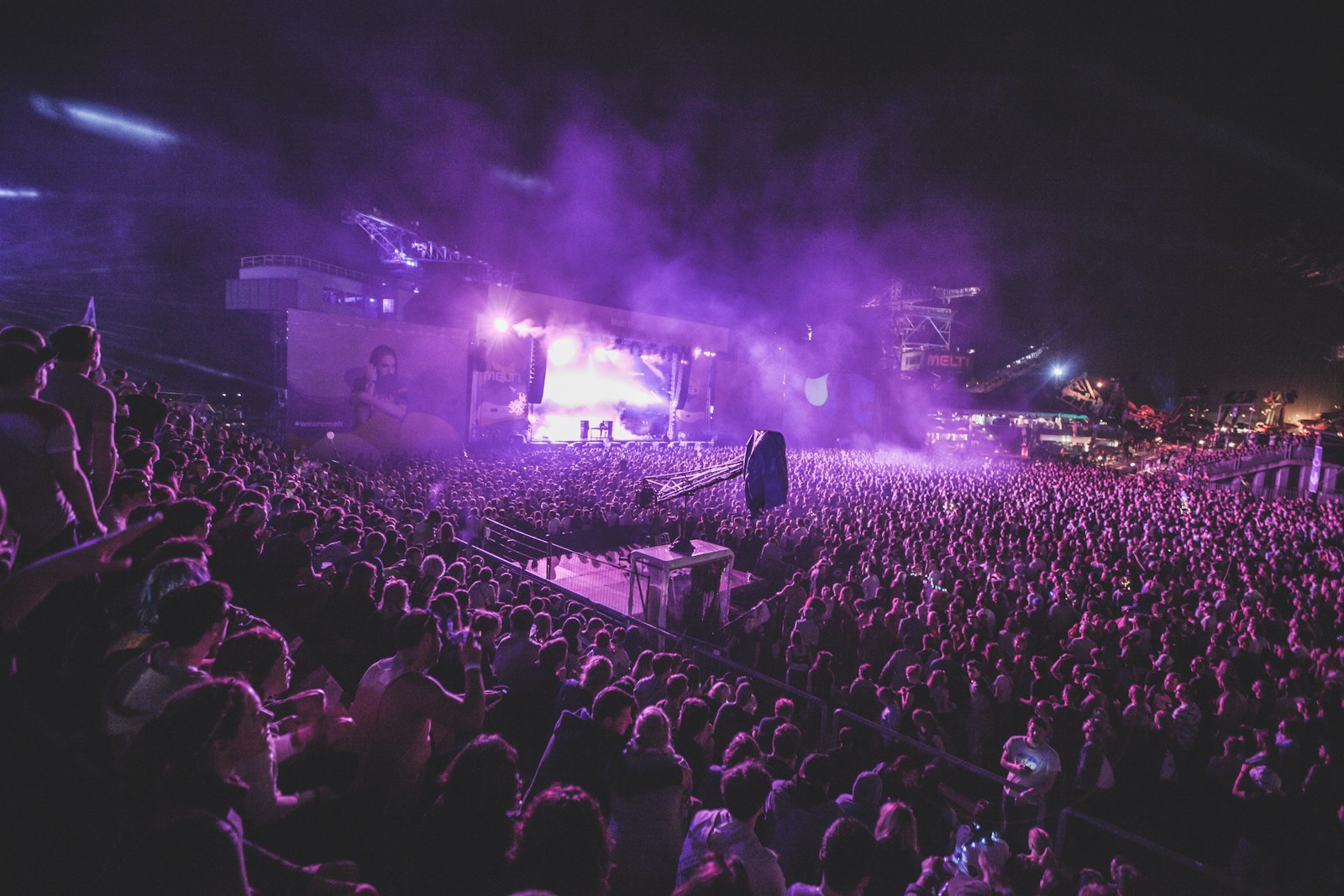
Concert production starts months ahead of the first song. The artist may already be confirmed, and the venue may already be booked. Excitement begins to build around the announcement. Meanwhile, the production team has a very different calendar ahead.
Technical riders need review. Stage plans need engineering approval. Equipment suppliers need schedules. Security teams need venue layouts. Ticketing teams need capacity information. Artists need travel arrangements. The entire production depends on hundreds of decisions that ultimately culminate in a few hours of live music.
Concert production in Dubai involves additional local considerations. Venue regulations and event permits influence preparation. Outdoor concerts need weather plans. International artists may arrive with extensive technical requirements. Large audiences need careful entrance planning.
Someone’s Event works across major live productions where artist coordination and technical production connect with venue operations. Good concert planning starts with understanding how these responsibilities affect one another.
Choose the Venue and Confirm Its Production Requirements
Venue selection influences almost every major production decision. The first questions concern audience capacity and technical suitability. Production teams also need to examine loading access and available electrical infrastructure.
An arena may already provide suitable rigging points and backstage facilities. An outdoor concert site may require temporary staging and independent power distribution. The production budget can change considerably between those two options.
Concert venue selection should also account for the artist’s technical rider. A touring production may require specific stage dimensions or substantial equipment loads. The venue needs enough physical space for the proposed performance.
Guest access matters equally. Parking facilities and public transport connections influence audience arrival. Production vehicles require loading periods that align with the installation schedule.
Someone’s Event considers these practical requirements early because a venue agreement affects far more than the rental fee.
Check Permits, Approvals, and Venue Rules
Concert permits in Dubai deserve attention early in the project.
The Dubai Department of Economy and Tourism operates an e-Permit process for relevant entertainment events. Applications require event and venue information. Additional documents depend on the proposed event activities.
Ticketed concerts also require the applicable ticketing approval process. Event organizers should confirm the licensed ticketing provider and regulatory requirements ahead of public sales.
Technical installations can introduce further approval requirements. Temporary stages and special effects may need specialist reviews. Security arrangements and emergency planning can involve additional authorities.
Venue operating conditions also matter. Concert organizers should confirm permitted performance hours and applicable sound limits. Outdoor concerts may require further consideration for surrounding properties.
Early coordination with the relevant authorities helps the production team prepare a realistic schedule.
Confirm Artists, Contracts, and Technical Riders
Artist booking and coordination affect both the commercial budget and the technical plan.
Artist contracts should explain performance dates and commercial responsibilities. Travel arrangements and hospitality requirements also need agreement. Production teams should review the technical rider as early as possible.
An artist's technical rider may specify audio consoles and microphones. Backline equipment and stage monitors can influence supplier selection. Video systems and lighting requirements may influence stage design.
International tours sometimes arrive with their own technical crew and equipment. Local production teams need to establish which items travel with the artist and which items require local rental.
Artist schedules should include arrival and soundcheck periods. Rehearsal requirements need to be coordinated with venue access.
Someone’s Event has previous international experience in artist operations and technical production. Early communication between artist representatives and local crews helps everyone prepare for the same performance.
Build the Stage, Sound, Lighting, and Video Plan
Concert stage design begins with the performance requirements.
Stage dimensions need to accommodate musicians and technical equipment. Audience sightlines affect platform height and screen placement. Backstage access should allow performers and crews to move between preparation areas and the main stage.
Sound system planning requires careful consideration. Audio engineers need suitable speaker positions and coverage calculations for the expected audience.
Concert lighting design depends on the artist's requirements and available rigging infrastructure. The lighting plan should account for fixture positions and power distribution.
LED screens for live events may display artist content or live camera feeds. Audiovisual production teams should confirm screen dimensions and playback requirements early.
Power supply planning connects all these technical departments. Engineers need accurate equipment requirements and suitable electrical distribution. Backup arrangements may be appropriate for critical systems.
Someone’s Event previously managed stage design and technical planning for Burna Boy’s 2023 European tour. The project included production drawings and rigging plans, along with technical supervision.
Coordinate Vendors, Crew, and Backstage Areas
Concert production involves several specialist suppliers working inside the same venue.
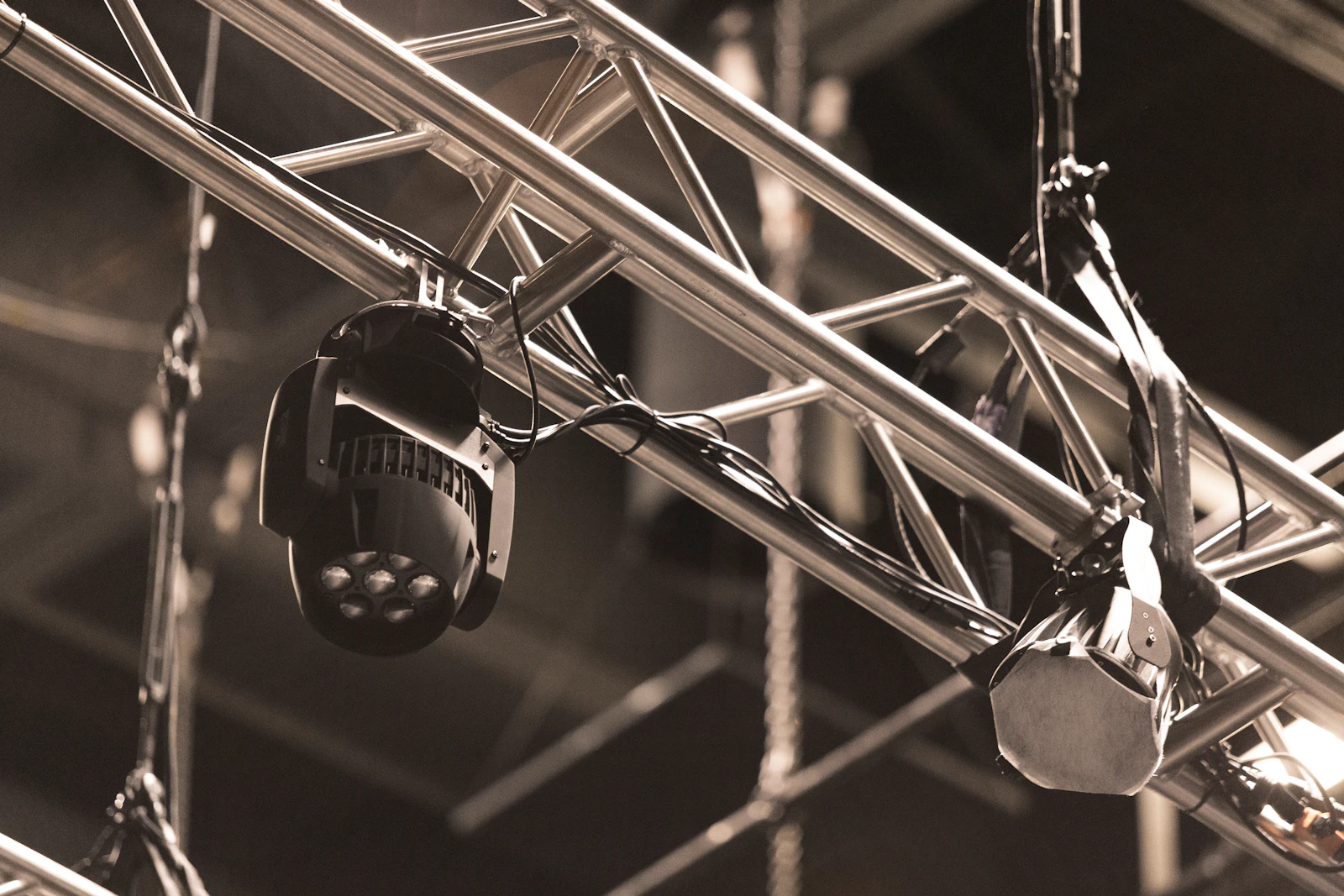
Stage crews may arrive ahead of audio technicians. Rigging specialists need access to their installation areas. Lighting teams and video suppliers need delivery windows for equipment. Backstage personnel need preparation areas ready for the artist's arrival.
Vendor coordination should begin with accurate equipment requirements and supplier responsibilities.
Stage crew coordination becomes particularly important during installation. Suppliers need clear schedules and suitable vehicle access. Production managers should know which activities depend on earlier work.
Backstage management deserves similar care. Dressing areas should be ready for performers. Artist hospitality needs suitable preparation. Technical personnel require practical access to the stage throughout rehearsals and live operations.
A good production plan gives crews enough time to complete their work and test the results.
Plan Ticketing, Guest Entry, and Crowd Movement
Audience entry management begins with ticket categories and approved venue capacity.
Ticketing teams need accurate seating or admission information. Guest entry points should correspond with the expected attendance. Ticket scanning positions need sufficient space for arrivals.
Crowd flow planning should account for busy arrival periods. Major concerts can attract large numbers of guests within a short period. Security checkpoints and queue areas need suitable capacity.
Audience movement continues inside the venue. Guests need access to seating areas and hospitality facilities. Emergency routes must remain available throughout the performance.
Concert event management also needs communication between ticketing operations and venue security. Information about audience entry can help production leadership assess venue readiness.
Someone’s Ticket may support ticket sales and entry validation for suitable SEG productions. Someone’s Event remains responsible for its agreed concert production role.
Prepare Safety, Medical, and Backup Plans
Concert safety planning needs to reflect the venue and expected audience.
Security arrangements should account for guest entry and restricted technical areas. Medical planning should consider attendance and access to emergency care. Fire safety reviews may affect stage installations and temporary equipment.
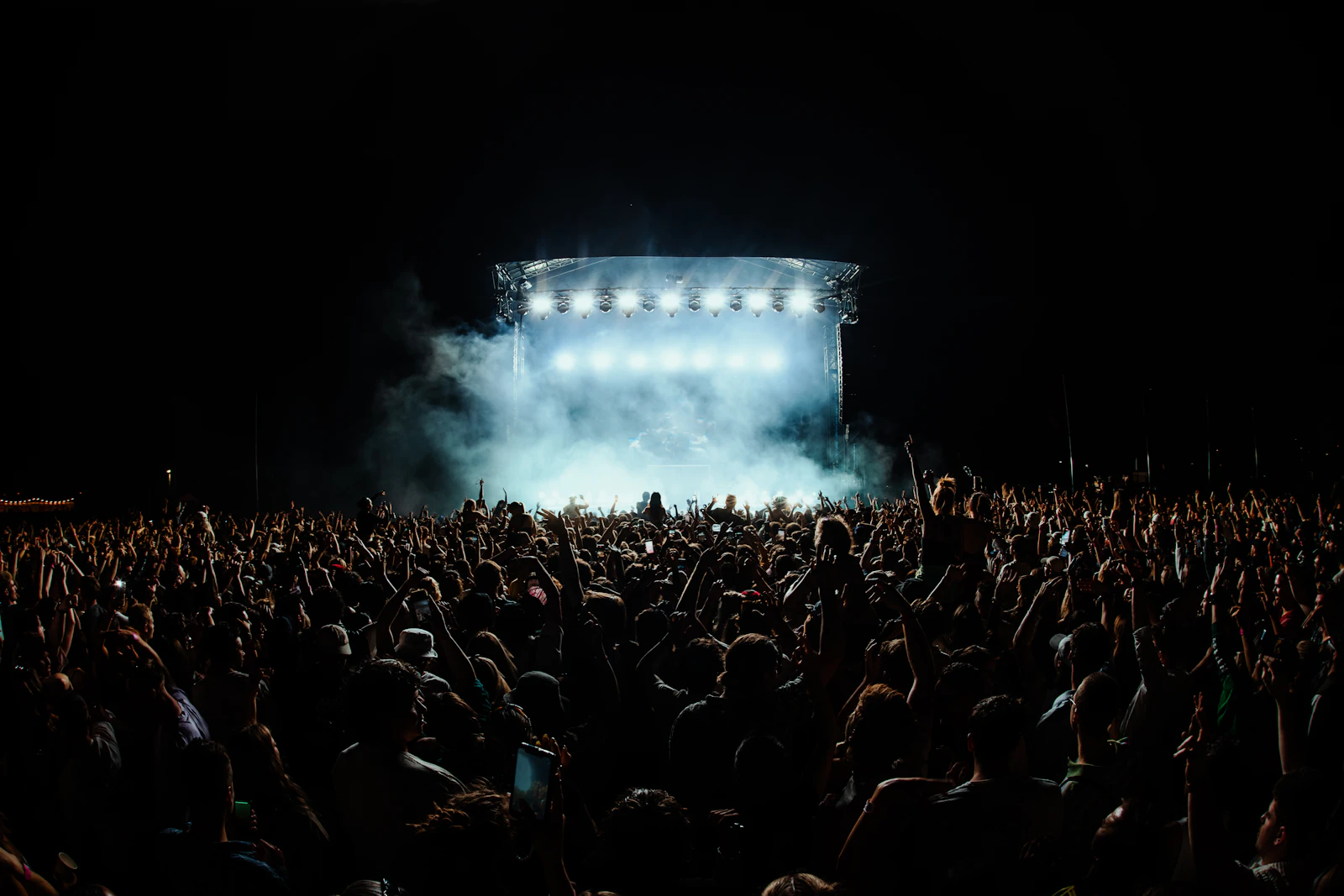
Outdoor concert planning brings further responsibilities. Weather conditions can influence temporary infrastructure and electrical equipment. Production managers should establish suitable response procedures with technical specialists.
Power supply and backup planning also deserve a technical review. Critical production equipment may require secondary supply arrangements according to the project.
Safety responsibilities should be assigned to qualified teams. The event production team needs direct communication with security leadership and medical personnel.
Good preparation helps teams respond to changing conditions with accurate information and agreed procedures.
Create the Production Schedule and Run of Show
A concert production timeline connects venue preparation with the live performance.
The schedule should include equipment arrival and installation. Technical testing and artist rehearsals require adequate time. Guest entry and performance times should reflect the actual production requirements.
The event run-of-show covers live program activity.
Opening announcements may require technical cues. Support artists need performance periods and changeover time. The headline artist needs an agreed stage call. Video playback and lighting changes need coordination with the show caller.
Concert organizers should also consider hospitality schedules and artist transport arrangements. Production managers need current information whenever the program changes.
An accurate schedule helps the different departments work toward the same live performance.
Complete Technical Tests, Soundchecks, and Rehearsals
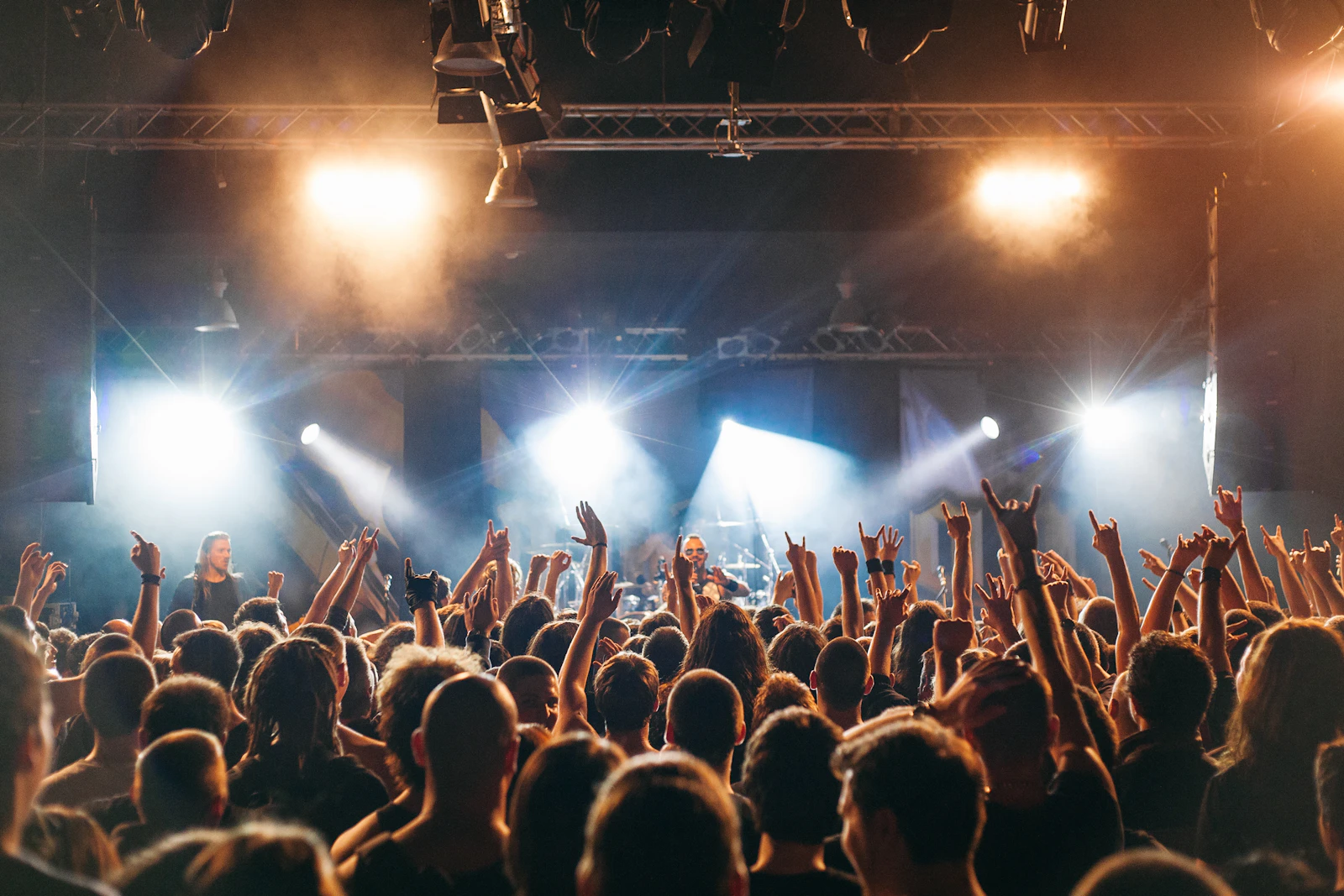
Technical testing should begin once equipment installation reaches the appropriate stage.
Audio engineers need time to test sound systems and stage monitors. Lighting teams should review programmed cues and fixture positions. Video operators need to test playback files and screen content.
Concert soundcheck allows artists to work with the installed equipment. Monitor levels and microphone requirements may need to be adjusted.
Artist rehearsals can also include stage entrances and performance transitions. Touring crews may need time to review local technical arrangements.
The production team should complete a technical run-through for important live cues. Communication systems need testing across the relevant departments.
Rehearsal time allows production crews to address practical issues while the venue remains available for technical work.
Manage the Concert on Show Day
Show day brings months of preparation to the venue.
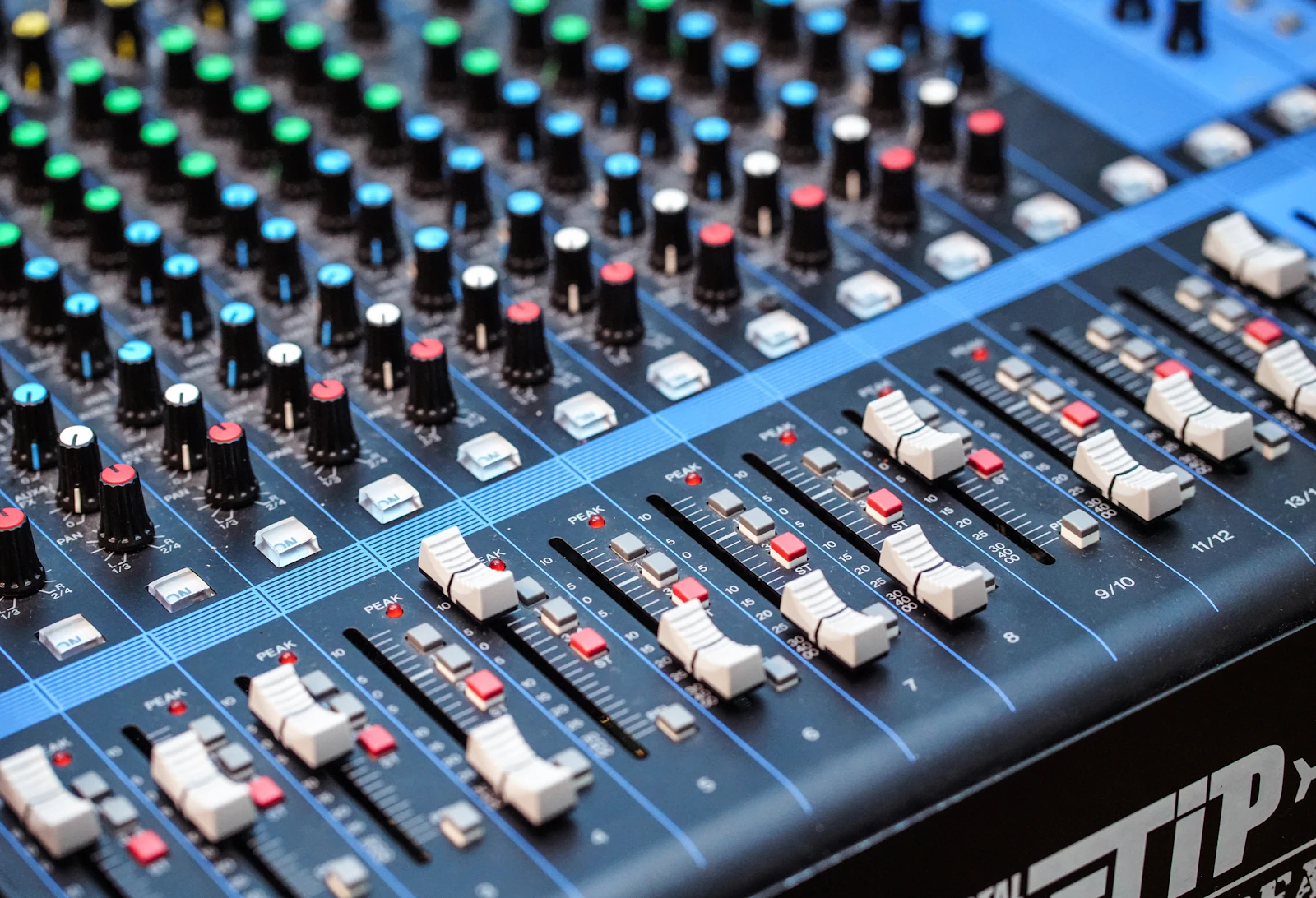
Production leadership needs current information about artist arrivals and technical readiness. Security teams report on audience access. Stage managers coordinate performers and their crews.
The show caller works with lighting operators and audio engineers. Video teams follow the live program. Artist representatives remain connected to backstage personnel.
Live event production depends on quick communication and clear responsibilities.
Concerts can experience schedule changes. Artists may request technical adjustments. Audience arrival patterns may differ from forecasts. Production teams need established procedures for assessing changes and updating the relevant departments.
Someone’s Event approaches concert event management through connected production responsibilities. The goal is to keep the live performance moving according to the approved plan while maintaining the safety of guests and crew.
Plan Load-Out and Review the Event Afterward
Concert production continues once the audience leaves.
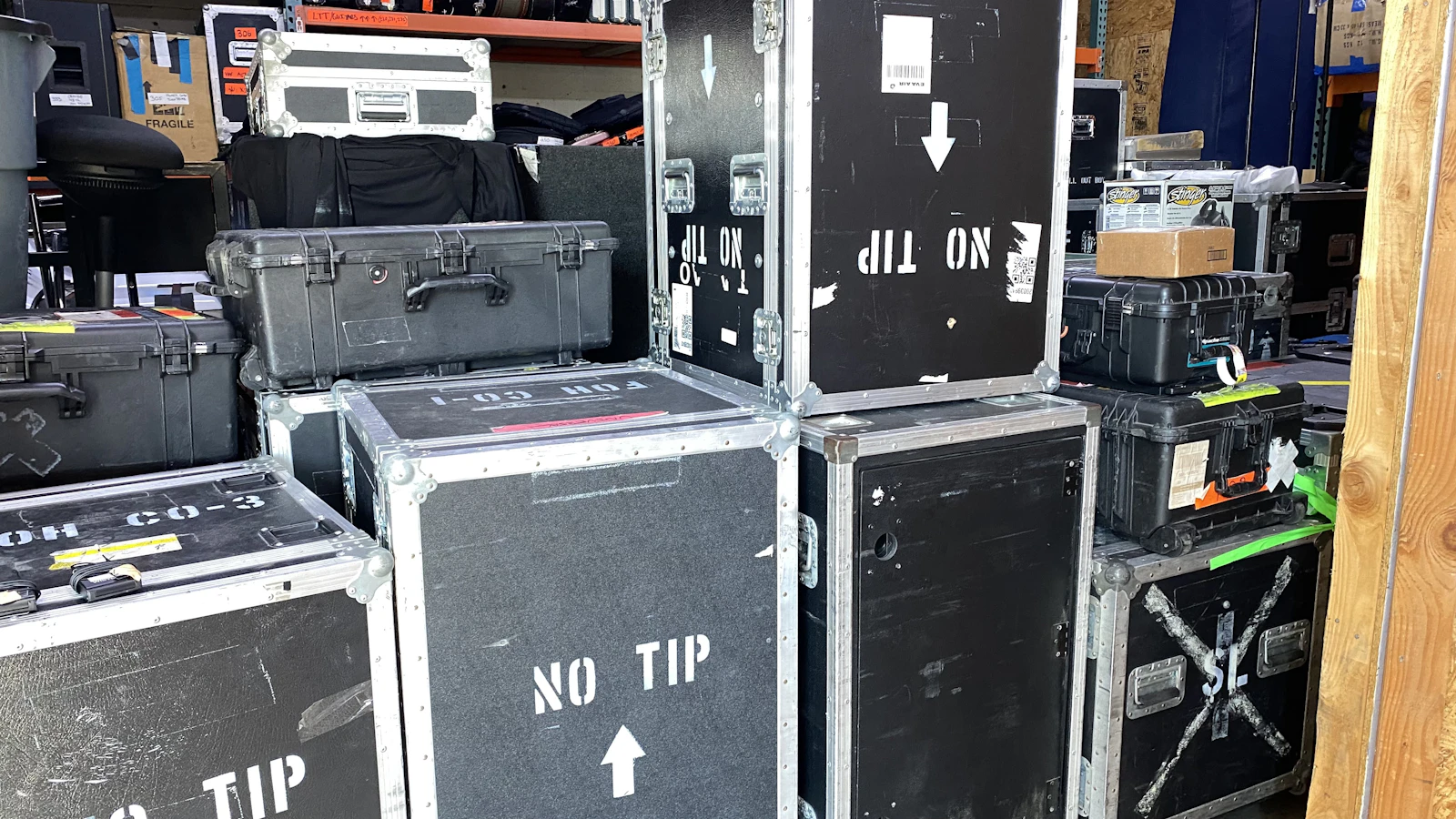
Post-event breakdown needs a practical schedule. Suppliers should know when their equipment can be removed from the venue. Stage crews need suitable access for dismantling. Transport providers need accurate collection windows.
Technical equipment requires careful handling throughout load-out. Rigging specialists should follow approved dismantling procedures. Venue teams need time for final inspections and property handover.
Production review also matters.
Concert organizers can examine attendance information and production costs. Supplier performance and technical issues deserve attention. Guest feedback can help identify improvements for future events.
The review should produce useful information for the next production.
Producing Live Concerts in Dubai With Someone’s Event
Someone’s Event works in a major live event organization and production. Its previous international projects include artist coordination for the official FIFA Fan Festival during the 2022 Qatar World Cup and stage design for Burna Boy’s 2023 European tour.
The company’s production capabilities can include venue assessment and technical planning. Artist operations and live show coordination may also be part of the project, depending on the agreed scope.
Concert production requires practical decisions throughout the preparation process. The venue needs to accommodate the show. Artists need suitable technical equipment. Production crews need workable schedules. Audiences need safe access and a well-prepared performance environment.
The concert production checklist helps identify these responsibilities early and connects them to the live schedule.
When the first song begins, and the audience responds, the work behind the concert becomes part of the experience.
People came to hear their favorite artist.
Good production helps them enjoy the performance.
