
Event Management4 min read
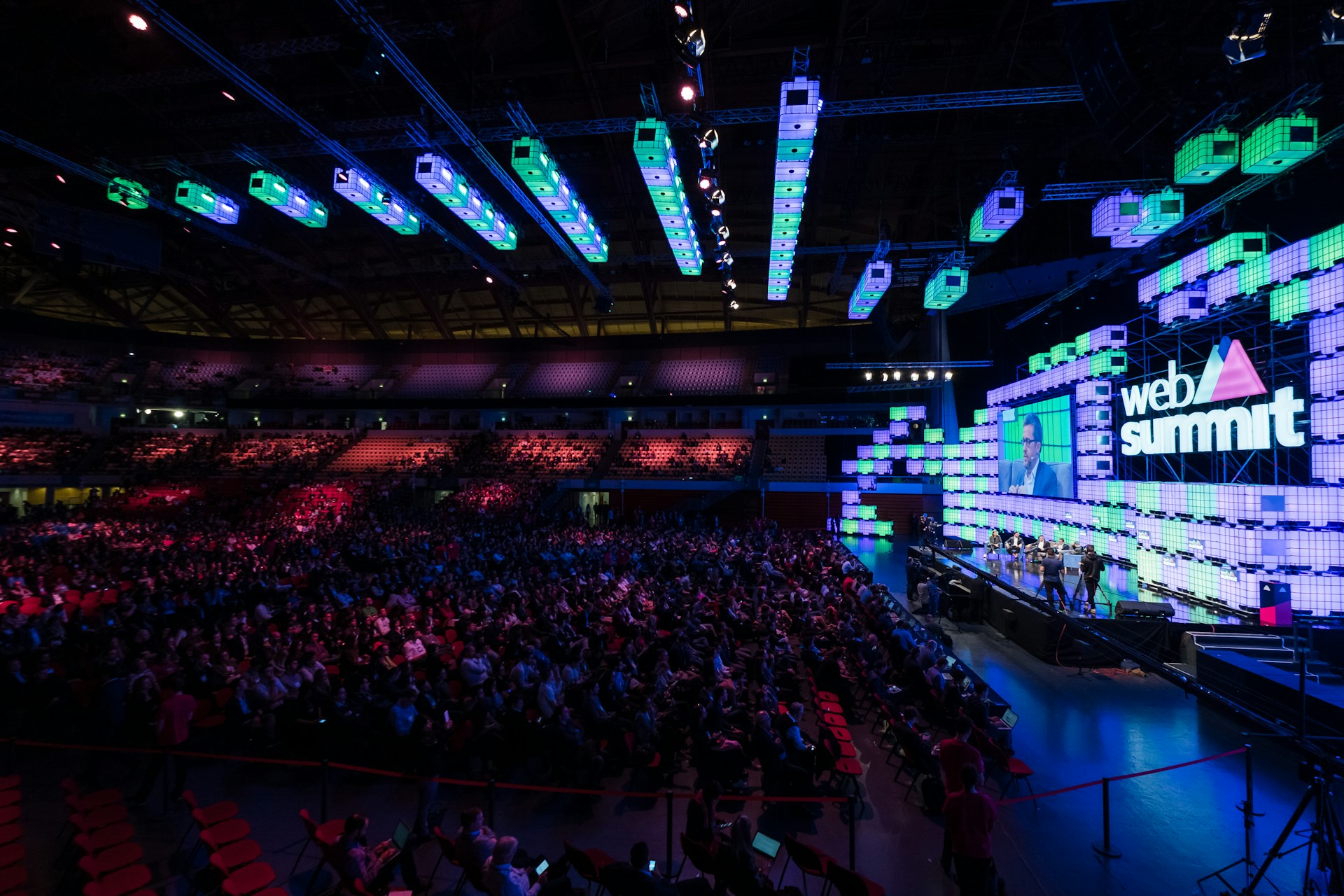
Corporate panels and summits succeed through choices guests rarely discuss aloud, yet venue selection influences almost everything they remember about the day. People notice how easily they arrive. Speakers notice how clearly they hear themselves. Organizers notice how calmly the schedule moves. One venue supports the plan. Another venue asks the plan to fight back all day.
Someone’s Event sees venue selection as an early business decision. The venue affects attendance, technical production, speaker comfort, networking, hospitality, and cost. Pretty photographs help. Practical questions decide the result.
Why Venue Selection Shapes Summit Success
Venue selection sets the summit’s physical limits and gives the event its first personality, often weeks ahead of the opening remarks. Large halls can make a focused panel feel distant. Compact spaces can make a major summit feel cramped. Weak acoustics can drain a strong discussion. Difficult access can reduce attendance among busy executives.
Strong venue choices support the event’s purpose from the start. Guests enter easily. Speakers move between sessions with confidence. Technical teams reach equipment areas fast. Sponsors receive useful visibility. Organizers secure a venue that fits the schedule.
Someone’s Event begins with one simple thought: the venue should help the summit do its job.
Understanding Your Summit’s Format And Requirements
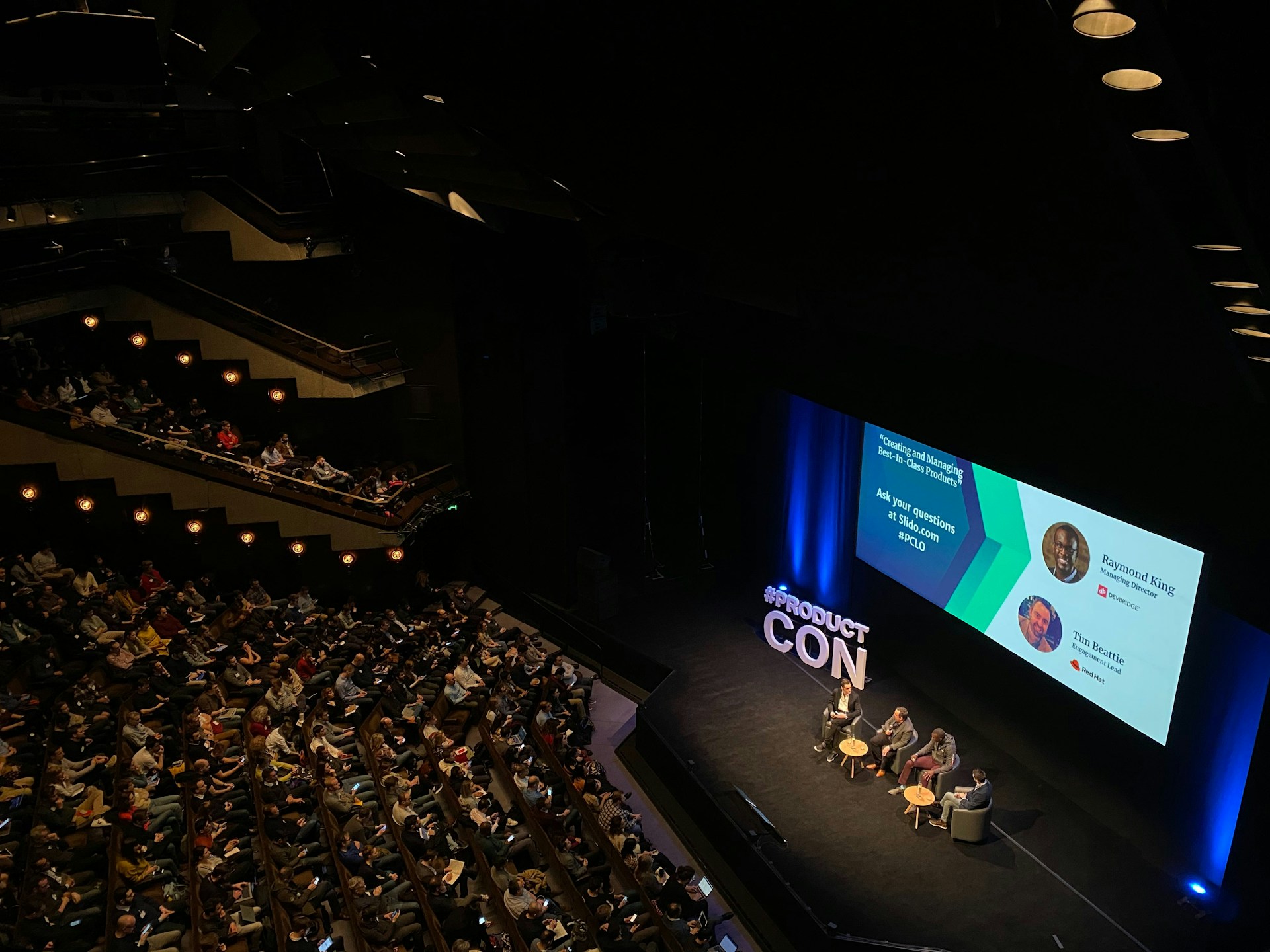
Summit formats vary widely, so the venue needs to suit the actual program instead of a generic conference template. Panel discussions need clear sightlines and balanced audio. Executive summits need privacy and easy guest movement. Multi-session conferences need separate areas for parallel talks.
Program length matters too. Half-day panels require a different hospitality plan from two-day business summits. Product demonstrations may require extra power and floor access. Media interviews may require quiet zones near the main hall.
Clear event requirements lead to better venue decisions. Someone’s Event reviews the speaker count, audience profile, content plan, technical needs, and expected guest movement during the first planning phase.
Capacity And Seating Layout Considerations
Guest capacity looks simple on a venue brochure, yet real capacity changes once a stage, cameras, technical desks, aisles, screens, and hospitality areas enter the plan. Published numbers often describe an empty hall. Summit numbers need a full production view.
Theatre seating suits keynote sessions and large panels. Cabaret seating supports note-taking and group discussion. Classroom layouts suit training-led conferences. Round tables encourage conversation during leadership summits.
Someone’s Event studies seat angles as carefully as seat counts. Guests should see speakers and screens with ease. Camera operators need clean lines. Staff need open paths. The right seating layout gives the summit energy while protecting comfort.
Location And Accessibility for Attendees
Dubai traffic can influence attendance and arrival times, especially during weekday mornings and evening peak periods. The venue location deserves an honest review based on the guest list rather than personal preference.
Executives may value quick access from DIFC, Downtown Dubai, Business Bay, or major hotels. International guests may benefit from proximity to Dubai International Airport. Large public conferences may need metro access and generous parking.
Entrance design matters once guests reach the site. Valet service, drop-off lanes, reception desks, lifts, and registration areas all affect the first twenty minutes.
Someone’s Event maps that arrival path early because first impressions start at the
curb.
Technical And AV Requirements For Panels
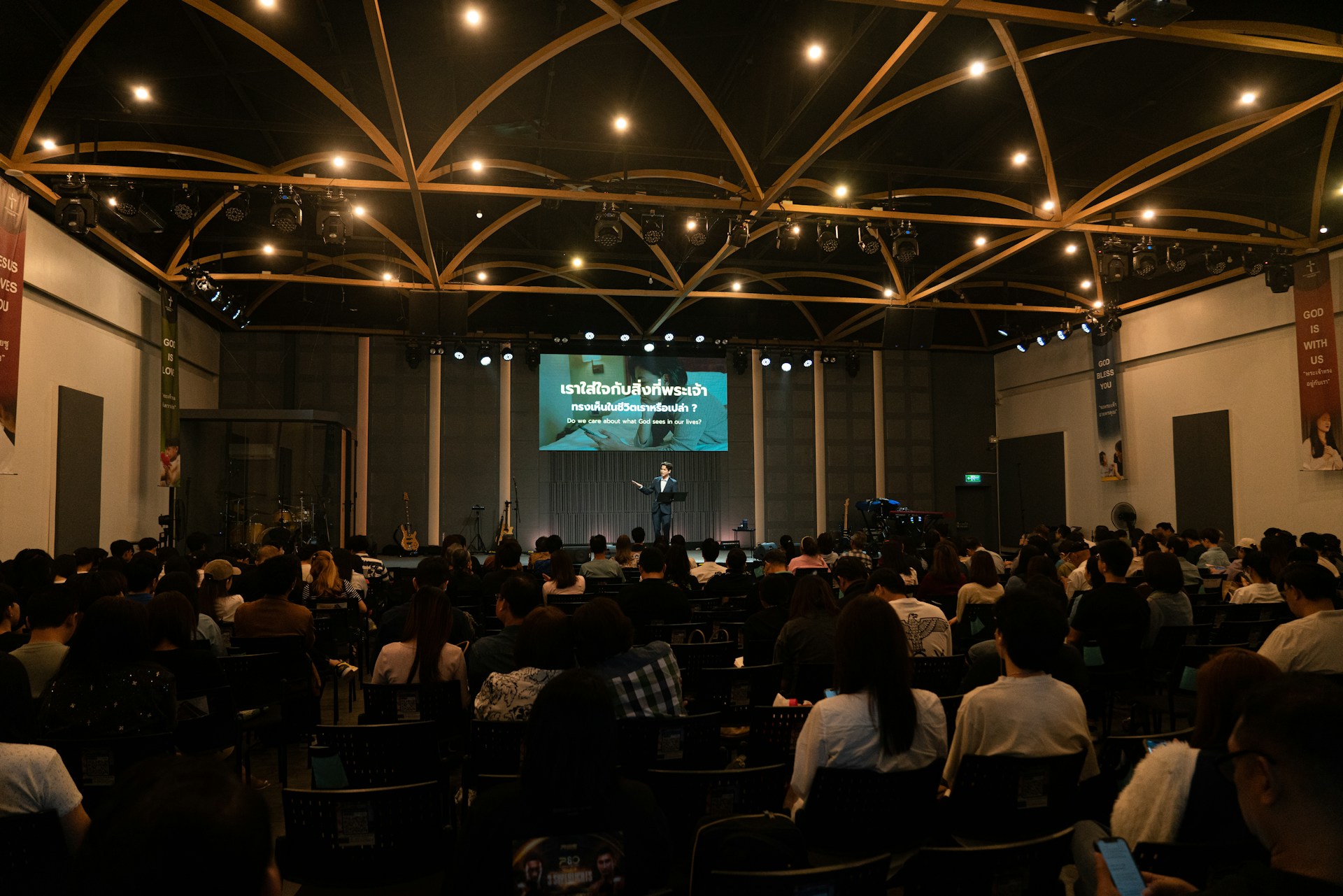
Panel discussions rely on strong audio because ideas lose power when guests struggle to hear a speaker. Microphone quality, speaker placement, acoustic treatment, and technical supervision all matter.
Visual production needs equal care. LED screens should suit the viewing distance. Presentation content should remain readable from the rear seats. Confidence monitors help moderators follow timing and questions. Stage lighting should flatter speakers while supporting live cameras.
Someone’s Event checks power access, rigging points, internet capacity, audio systems, and backstage routes during venue visits. Technical limitations cost money once production begins. Early answers protect the budget and the program.
Breakout Areas and Networking Spaces
Business summits create value between formal sessions as much as during them, so breakout areas deserve real thought. Guests need places for private conversations, sponsor meetings, media interviews, and small group sessions.
Networking areas work best when they feel connected to the main hall while
offering a calmer pace. Distance matters. Guests lose time when breakout areas sit far from the next session. Noise matters too. Nearby music or service traffic can weaken business discussions.
Someone’s Event plans guest movement between panels and networking periods as one continuous flow. Coffee points can encourage interaction. Seating clusters can support longer talks. Quiet corners can host senior meetings.
Catering And Hospitality Considerations
Corporate hospitality influences energy throughout the day, especially during long programs with several speakers and dense content. Coffee timing can save a tired afternoon session. Lunch service can protect the schedule or delay it.
Menus should suit the guest profile and program pace. Standing service works well for short networking breaks. Seated meals suit executive summits with longer hospitality periods. Dietary needs should be collected early through registration forms.
Service routes matter behind the scenes. Catering crews need access that protects guest pathways and speaker movement. Someone’s Event coordinates service timing with the run of show, so hospitality supports the summit instead of interrupting it.
Hybrid Event Capabilities to Review
Hybrid summits need stronger technical infrastructure than a standard livestream link. Remote guests need clear audio, strong video, stable internet, and access to relevant content. Online speakers need confidence that the venue team can manage live interaction.
Dedicated internet lines reduce risk. Multiple cameras create better visual coverage. Remote speaker checks help presenters feel prepared. On-screen questions and moderated chat can connect digital guests with the live audience.
Someone’s Event reviews upload capacity, backup connections, camera positions, streaming equipment, and technical support ahead of venue confirmation. Hybrid delivery deserves its own production plan.
Budget And Pricing Factors
Venue pricing often includes several separate charges, including hire fees, furniture, technical equipment, staffing, cleaning, security, and hospitality minimums. Attractive base rates can rise once the full summit plan enters the quote.
Date and duration influence cost. Weekday rates may differ from weekend rates.
Setting up access can add another hiring period. Rehearsal time can affect staffing charges. External supplier fees may apply when the venue requires approved partners.
Someone’s Event compares venues through total project cost rather than headline price. One venue may charge a higher hire fee while including strong AV systems and furniture. Another may require a larger production budget. Full cost tells the real story.
Why Someone’s Venues Suit Corporate Summits
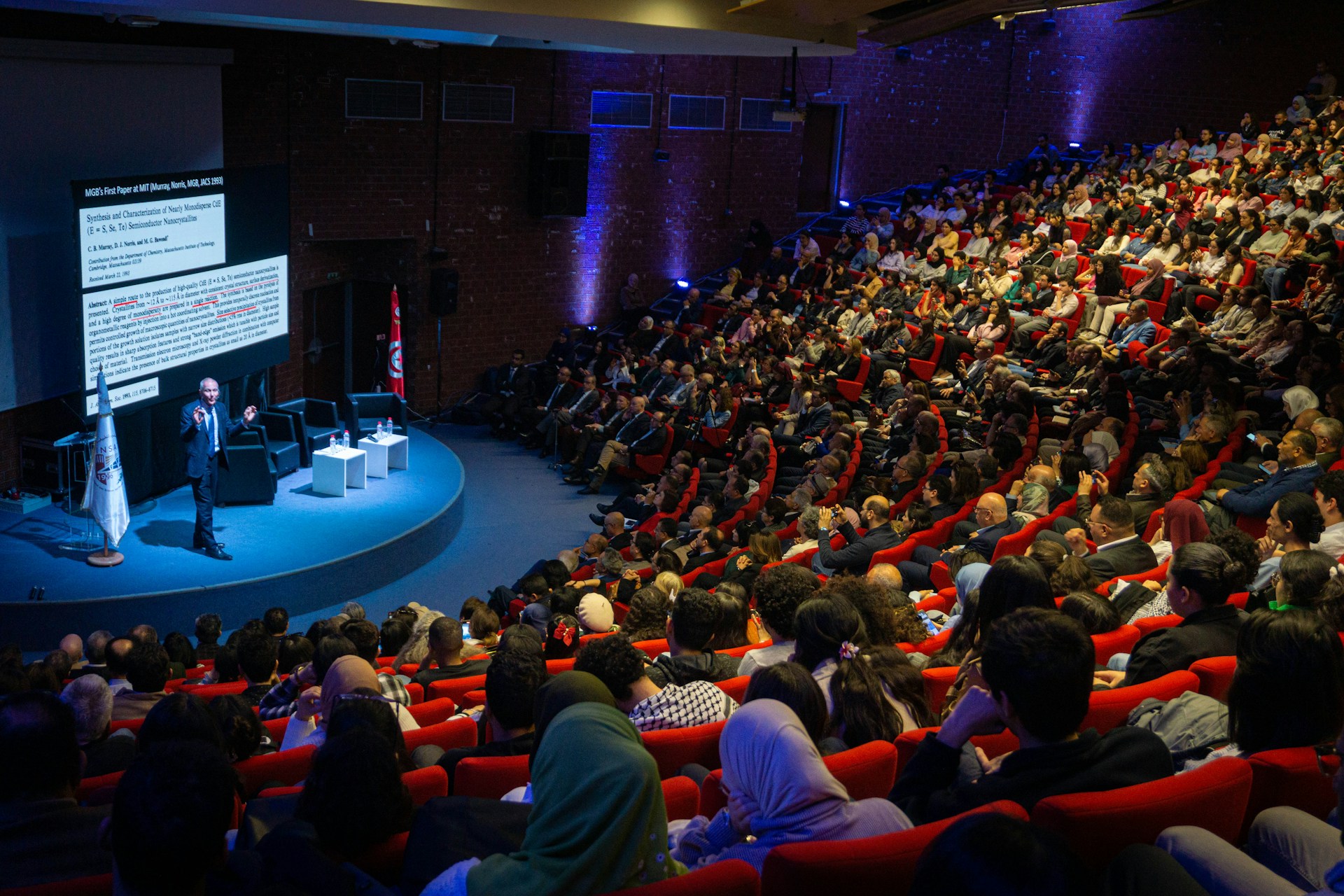
Someone’s Entertainment Group combines venue knowledge with production experience, giving corporate clients a practical advantage in early planning. Someone’s Stage supports major presentations, conferences, and panel-led programs through strong technical infrastructure and flexible seating plans.
Someone’s House suits private executive sessions, leadership gatherings, and brand-led discussions in a distinctive setting.
Someone’s Event manages the wider production plan. Teams coordinate venue preparation, technical crews, speakers, hospitality, guest flow, and show timing. One experienced group keeps the summit close to its business purpose.
Choosing a corporate summit venue becomes easier once the right questions lead the conversation. How will guests arrive? Can everyone see the stage? Will remote speakers sound natural? Where will private conversations happen? What does the full price include?
Good venues answer those questions early.
Great summit planning starts there.
