
Event Management4 min read
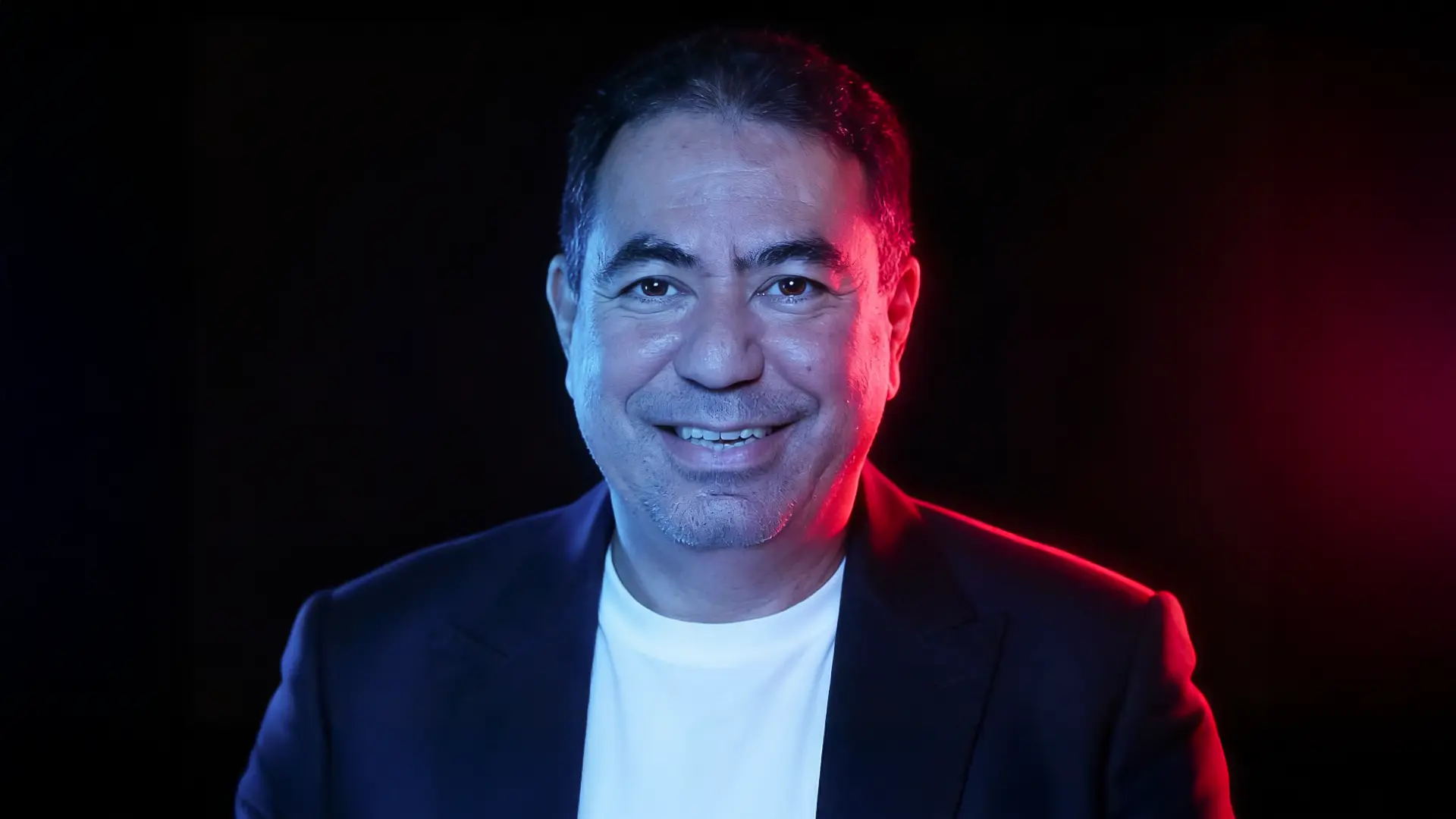
Asil Ersoydan, Founder of Someone’s Entertainment Group
“The UAE no longer hosts entertainment,” said Asil Ersoydan. “It produces it. The country built a complete economy around moments.”
The discussion's direction was determined by that sentence. Over one hour, he outlined the live entertainment sector’s measurable growth, its new technology, and the direction of Someone’s Event within that economy.
A Market Growing at Double Digits
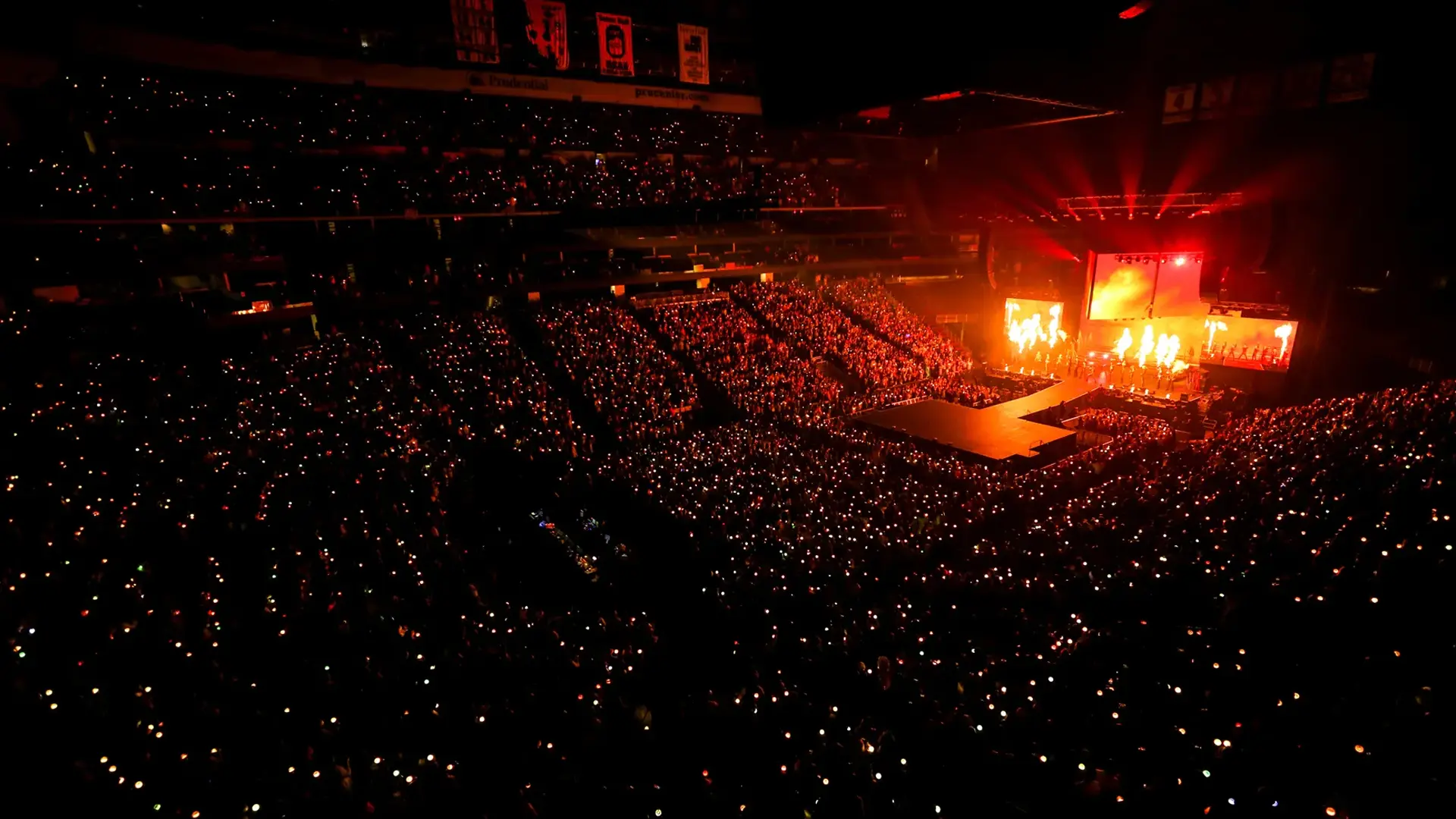
The UAE’s live entertainment sector entered a high-growth phase in 2026. Market forecasts placed the value of concerts, festivals, and live shows beyond USD 15 billion in the next few years. Two hubs defined the pattern: Dubai, driven by concerts and large-scale shows, and Abu Dhabi, shaped by cultural districts and residency programs.
Driven by a combination of Western pop, K-pop, Bollywood, and Arabic contemporary music fans, the music concerts sector experienced a compound annual growth rate in the double digits.
“When a crowd in Dubai sings in three languages during one chorus, you know the market reached global maturity,” Asil Ersoydan said.
He linked that diversity to the demographics of expatriates and to a government strategy that shifted investment from oil to culture, tourism, and technology.
The Foundations Behind The Applause
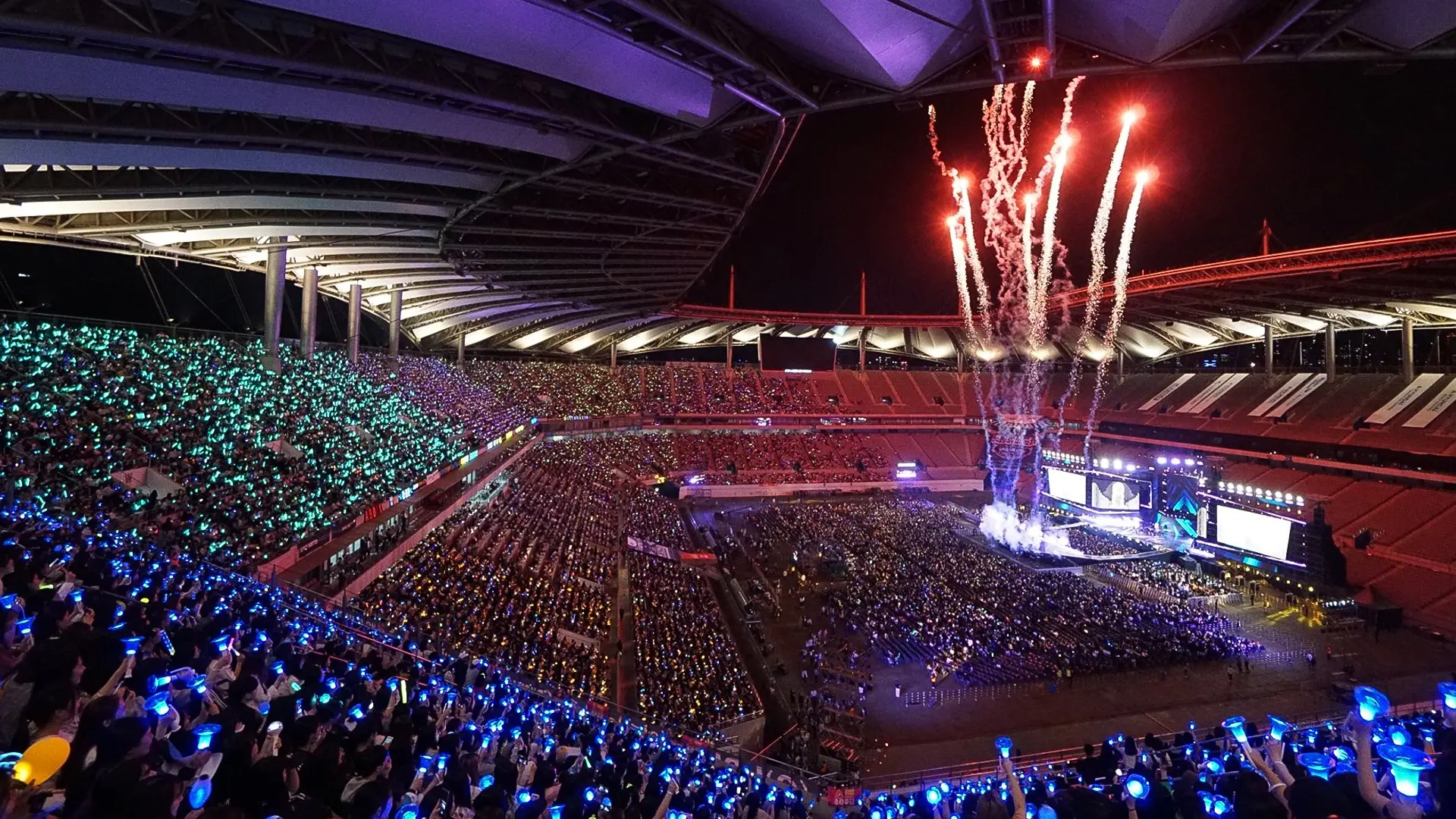
Massive venue growth supported the rise.
Dubai established itself as a central hub for large-scale productions. Investments were made by Abu Dhabi in precincts including Yas Island and the Saadiyat Cultural District for seasonal continuity.
“The difference lies in intent,” said Asil Ersoydan. “Dubai prioritised speed and variety. Abu Dhabi pursued longevity. Both decisions created balance.”
From 2023 to 2026, the UAE saw the addition of new arenas, amphitheatres, and hybrid indoor-outdoor venues equipped to handle multi-format productions. The outcome is increased artist output, enhanced technical uniformity, and a decrease in the cost of logistics for each attendee.
The Digital Turn
Technology sat at the centre of that evolution.
Over 65 percent of ticket revenue came from digital channels. Mobile-first access and real-time data altered how organisers managed capacity and pricing.
The arrival of artificial intelligence was subtle. Event discovery engines learned user behaviour. Pricing is adjusted dynamically based on demand and location.
“Technology replaced intuition,” Ersoydan said. “We stopped guessing attendance. We started reading it live.”
He added that the data did more than drive sales. Planning became easier, manual verification decreased, and uniform standards were developed for event operators.
The Global Shift: Comparison and Context
While the global industry faced slowing growth—affected by ageing venues and higher insurance costs—the UAE held the “newness advantage.”
Its infrastructure remained modern, its regulatory system agile, and its funding continuous.
Worldwide, the live sector entered a sustainability-driven phase. Festivals faced environmental audits. Tours balanced carbon budgets. Major cities pursued what Ersoydan described as “permanent spectacle economies,” in which venues anchored culture rather than importing it.
“Every global city built a stage,” he said. “The UAE built an ecosystem.”
Future Horizons: The Road to 2036
The interview turned toward projection. Ersoydan avoided grand declarations but gave specific benchmarks.
Holographic Performances
Artists could appear simultaneously across 10 cities through an 8K projection, with live musicians accompanying them locally.
“We remove travel but keep energy,” he noted. “That alone changes logistics and sustainability.”Biometric Entry
Tickets would disappear. Faces and palms would replace QR codes.
“Frictionless entry saves time and secures identity,” he added.Neuro-Responsive Venues
Sensors would read audience energy and adjust sound and light in real time.
“A venue will read its crowd the way a conductor reads tempo,” he said.Hybrid and Virtual Festivals
Viewers in London could attend shows in Abu Dhabi through VR or AR, interacting live.
“The walls dissolve, yet the event stays real,” he explained.Zero-Waste Operations
Venues powered by solar glass and kinetic flooring would dominate.
“Sustainability stopped being a choice,” he said. “It became the entry ticket for every permit.”
The Experience Economy Arrived
Ersoydan described the audience as both participant and asset.
Gen Z and Alpha demographics valued interaction over observation. Seating became optional. Stages became environmental.
“People no longer wanted to attend. They wanted to act,” Ersoydan said. “They shaped what they watched.”
With multi-zone productions and modular layouts, Someone’s Event facilitated spectator mobility, visual manipulation, and performer engagement. Tickets evolved into personal access profiles, integrating data for merchandise, hospitality, and even camera feeds.
UAE vs. Global Outlook
He drew a contrast again.
Europe struggled under cost pressure and regulatory rigidity. The United States leaned on legacy touring. Asia diversified but lacked unified systems.
The UAE, meanwhile, invested forward. The D33 Agenda in Dubai and Vision 2030 in Abu Dhabi advanced entertainment as part of national identity. Growth in immersive experiences in the region reached nearly 27 percent annually.
“We call it ‘Tech-tainment,’” Ersoydan explained. “It joins infrastructure with
imagination. It turns tourism into continuity.”
He emphasized that the UAE’s climate control innovation, open-air yet temperature-managed venues, set a model for similar regions seeking year-round programming.
Someone’s Event Within the System
Under Someone’s Entertainment Group, Someone’s Event coordinated artists, vendors, and technical units under a unified management structure. The company is planning to delivere over 100 large-format shows and private activations between 2026 and 2032, building a supplier base exceeding 400 active partners.
Ersoydan highlighted operational consistency as his metric of success.
“We measured reliability. When artists came back, we succeeded,” he said.
Within the group’s ecosystem, production, ticketing, and venue ownership were integrated. The integration achieved exceptional forecasting accuracy in event management.
Looking Ahead
Asked how he saw the next decade, Ersoydan remained pragmatic.
“We will reach a point where the physical and digital experience merge so naturally that audiences forget which part they entered first,” he said.
He predicted that by 2036, the UAE would host a fully autonomous venue powered
by renewable energy, with biometric entry and AI-driven environmental control.
“The event industry will mature from reaction to design,” he said. “Our role is to keep the human core inside that process.”
Entertainment is now classified by the UAE as infrastructure, economy, and export. That logic guides Someone's Event, an organization built to satisfy creative goals through demonstrable dependability.
“A decade ago, the UAE sold tickets,” Ersoydan concluded. “Today, it sells certainty.”
