
Event Management4 min read
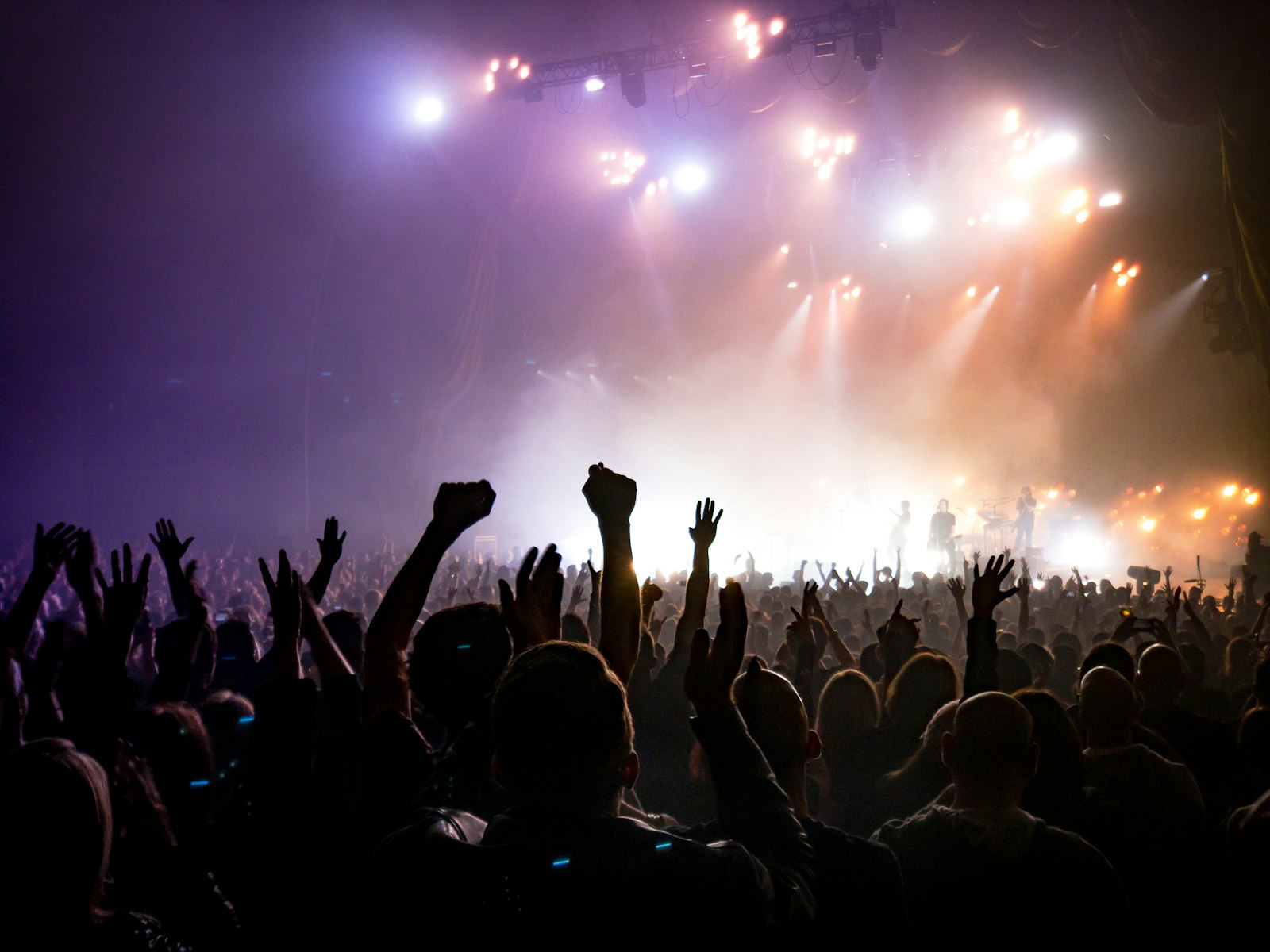
Choosing between an arena and an open-air venue is one of the earliest decisions in concert production. Both can host major international artists and thousands of fans. Both can deliver excellent live music. The technical work behind them can be surprisingly different.
An arena already has a building around the performance. Outdoor concert sites require production teams to account for weather exposure and temporary infrastructure. Sound behaves differently. Stage engineering changes. Lighting conditions change. Equipment installation and audience movement also require different plans.
Dubai offers opportunities for both formats. Indoor concert venues can provide established technical infrastructure and year-round operating conditions. Outdoor concert venues offer greater freedom in certain aspects of stage design and audience layout. The event concept and expected attendance should influence the decision.
Someone’s Event approaches concert production in Dubai by focusing on the practical requirements of each performance. Venue selection affects technical planning and artist operations. Good production decisions begin with a clear picture of how the concert will operate.
Why Venue Selection Matters for Concert Production in Dubai
Venue selection influences production costs and almost every technical decision during preparation. An indoor arena may already provide rigging infrastructure and electrical distribution. Outdoor sites may require temporary stages and extensive power installations.
Production teams need to examine capacity and technical access alongside the concert concept. Artist requirements matter as well. An international tour may arrive with equipment specifications developed for certain venue dimensions.
Dubai's climate adds another consideration. Outdoor concerts require attention to heat and possible weather changes. Indoor venues offer greater protection from external conditions while introducing their own acoustic requirements.
The right venue depends on audience size and technical feasibility. Production budgets and artist requirements also help determine the final choice.
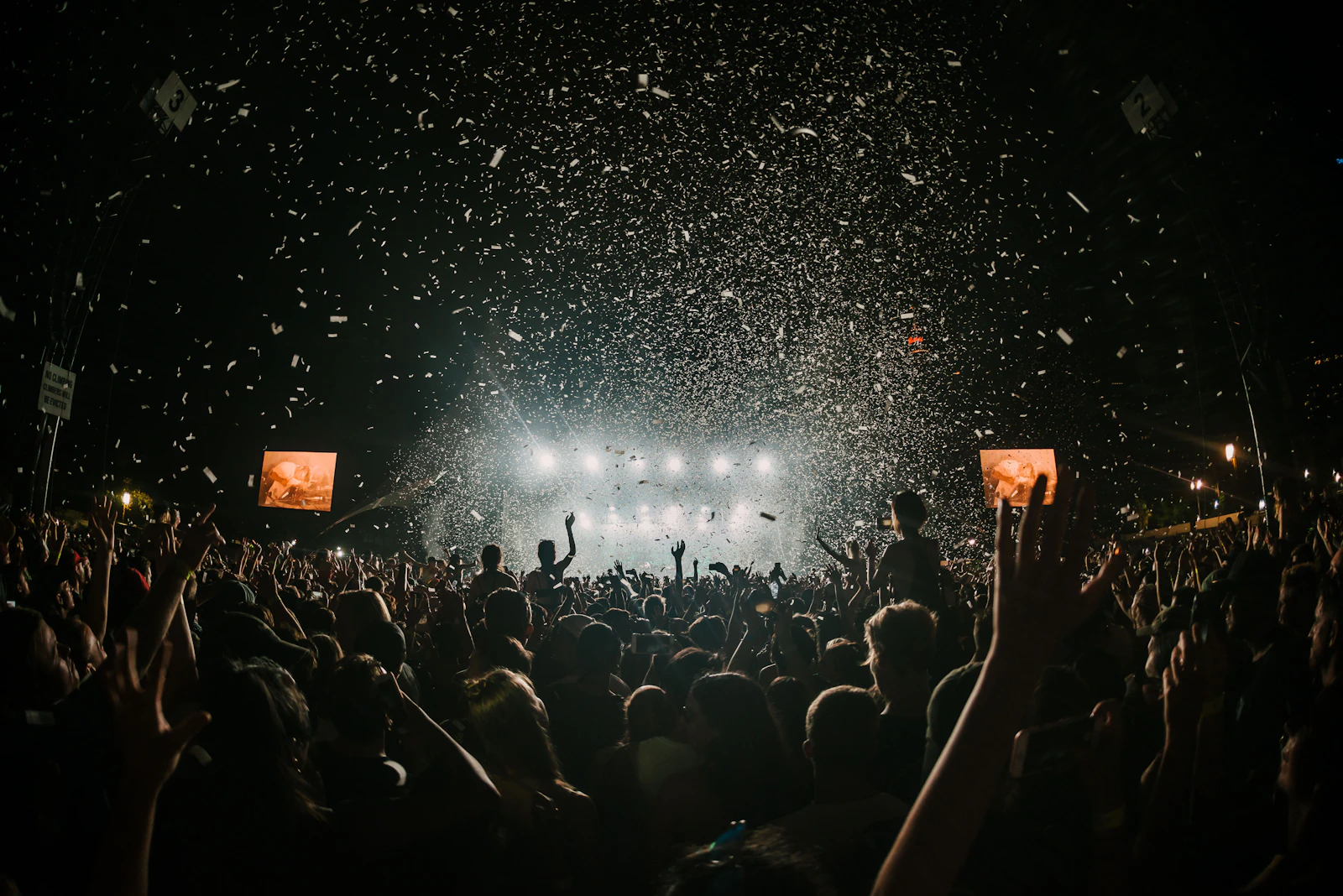
Open Air Concert Production: Key Technical Requirements
Outdoor concert production usually requires extensive site preparation. An open location may provide the space needed for a large audience while offering limited existing technical infrastructure.
Production teams need to assess ground conditions and stage placement. Temporary power distribution may be necessary. Equipment protection and technical access require careful consideration.
Outdoor concert generators need appropriate capacity and distribution plans. Electrical specialists should calculate demand for audio systems and lighting equipment. LED screens and backstage facilities also contribute to total consumption.
Weather contingency planning deserves early attention. High temperatures can affect equipment and crew welfare. Wind conditions can affect suspended technical equipment and temporary stage installations.
Outdoor production also needs suitable vehicle access. Trucks may deliver substantial amounts of concert equipment during the installation period. Suppliers need enough space to unload safely and move equipment toward the stage.
Indoor vs Outdoor Concert Acoustics and Sound Engineering
Sound engineering changes considerably between an enclosed arena and an outdoor site.
Arena acoustics depend on the venue's physical characteristics. Sound can reflect from ceilings and walls. Large reflective surfaces may influence speech intelligibility and music reproduction.
Experienced audio engineers examine the venue's acoustic behavior and select suitable speaker configurations. System calibration helps achieve consistent coverage throughout audience areas.
Outdoor concert sound engineering brings different challenges. Open spaces generally have fewer enclosed surfaces, producing reflections. Sound propagation can still be affected by wind and atmospheric conditions.
Speaker placement becomes particularly important across larger outdoor audiences. Delay speaker systems may be necessary for distant audience sections. Subwoofer placement also influences low-frequency coverage.
Dubai's applicable sound restrictions should be included in the technical plan during venue assessment. Local operating conditions can affect speaker orientation and permissible hours of operation.
Good sound engineering begins with the venue itself.
How Stage Design Changes Between Arena and Open-Air Concerts
Concert stage design needs to account for venue dimensions and artist requirements.
Indoor arenas often offer established stage locations and technical access. Production teams can develop stage plans around available floor space and roof capacity.
An outdoor concert stage setup can allow considerable creative freedom. Larger stage footprints may be possible where the site permits. Runways and secondary performance platforms can be incorporated into the design.
Temporary stage engineering requires suitable calculations and professional review. Ground conditions and equipment loads influence the design. Outdoor roofs may require additional engineering assessment due to environmental exposure.
Someone’s Event's previous international concert experience includes stage planning and technical coordination for major touring productions.
Burna Boy's 2023 European tour included modular stage planning and technical drawings. Lighting plots and rigging maps formed part of the production work.
Large concert stages succeed when creative requirements and engineering decisions support the same performance.
Concert Lighting Design for Indoor and Outdoor Venues
Lighting is another area in which venue conditions affect the production plan.
Indoor concerts provide a more predictable environment for lighting design. Technical teams can work with established rigging positions and venue dimensions.
Outdoor concerts may begin during daylight and continue after sunset. Lighting teams need to consider how the visual presentation will change during the performance.
Daylight can affect the visibility of certain lighting effects. LED content may also require brightness adjustments based on ambient conditions.
Stage lighting for concerts involves fixture placement and suitable power distribution. Lighting programmers develop performance cues in accordance with the artist's show requirements.
Indoor venues may already have suitable technical infrastructure. Outdoor production often requires additional lighting towers and temporary equipment installations.
The concert's artistic direction should influence the lighting plan while the venue determines the practical installation requirements.
LED Screens, Visual Effects, and AV Production Requirements
LED screens play an important role in modern concert production. Large audiences may rely on screens to see performers clearly from distant sections.
Indoor arena concerts can use existing technical positions for video systems. Screen dimensions still need to respect rigging capacity and available viewing angles.
Outdoor concerts may require extensive LED installations. Screen brightness matters during daylight performances. Weather protection and engineering requirements influence equipment selection.
Concert audiovisual production can include live camera feeds and artist video content. Media servers and playback systems need suitable technical locations.
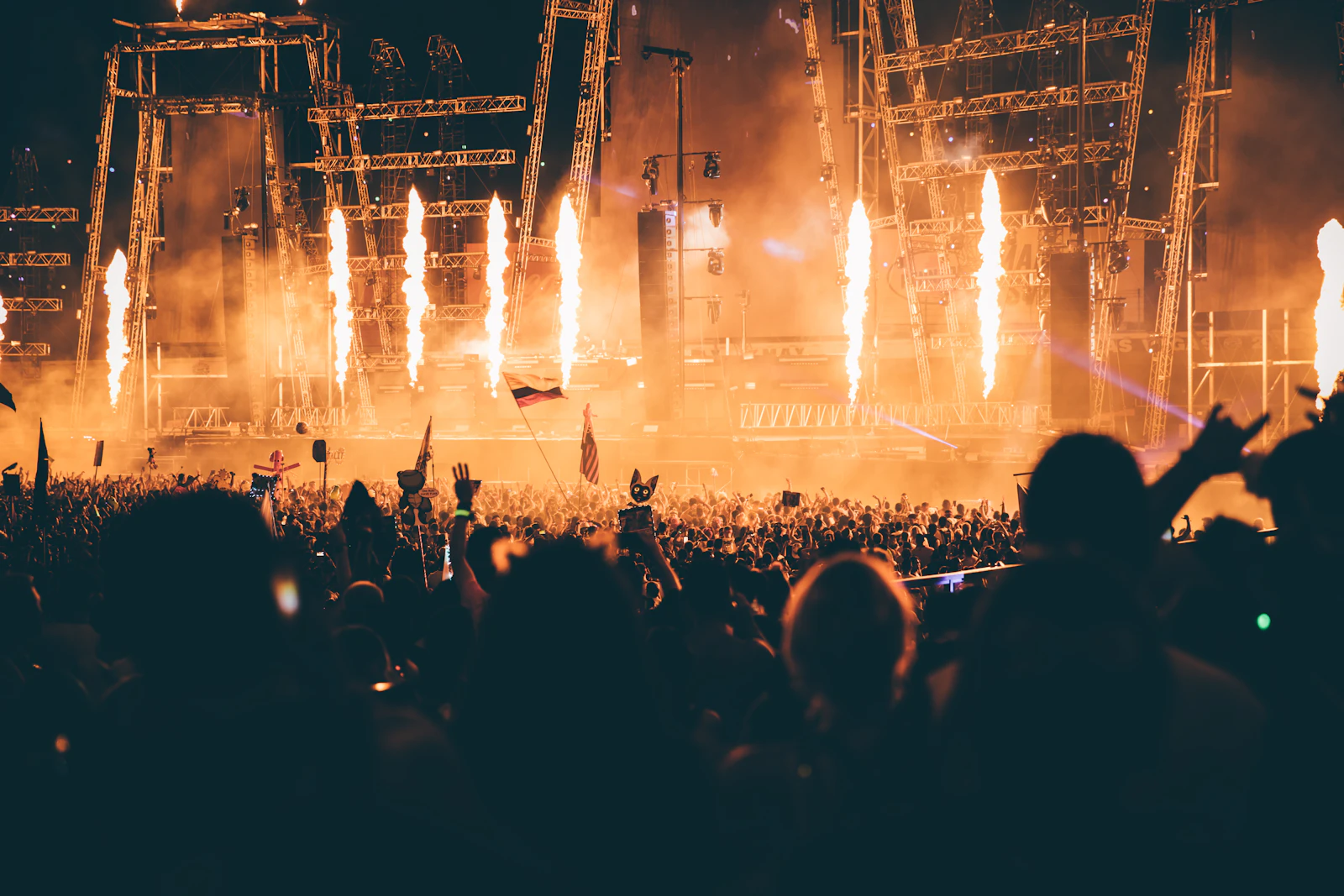
Visual effects also require assessment according to venue conditions. Certain effects may need additional safety reviews or specialist approvals.
Technical rehearsals allow video operators and lighting teams to test content alongside the live performance.
Rigging, Stage Engineering, and Equipment Installation
Concert rigging requires professional engineering and clear technical documentation.
Arena venues may provide permanent rigging infrastructure with published capacity limits. Production specialists need to confirm proposed equipment loads against the venue's approved specifications.
Outdoor productions frequently depend on temporary rigging systems. Stage roofs and trusses must accommodate the equipment specified in the technical plan.
Equipment installation should follow the approved engineering documentation. Rigging crews need suitable access equipment and qualified supervision.
Stage construction also influences the production timeline. Outdoor installations may require longer preparation periods because temporary infrastructure must be assembled and inspected.
Technical teams should complete load calculations and installation documentation ahead of equipment delivery.
Safety remains a practical responsibility throughout construction and live operation.
Crowd Management and Audience Safety Considerations
Audience management differs between arenas and outdoor concert sites.
Indoor arenas often provide established entrances and circulation areas. Security teams still need to plan ticket validation and audience movement according to the concert's expected attendance.
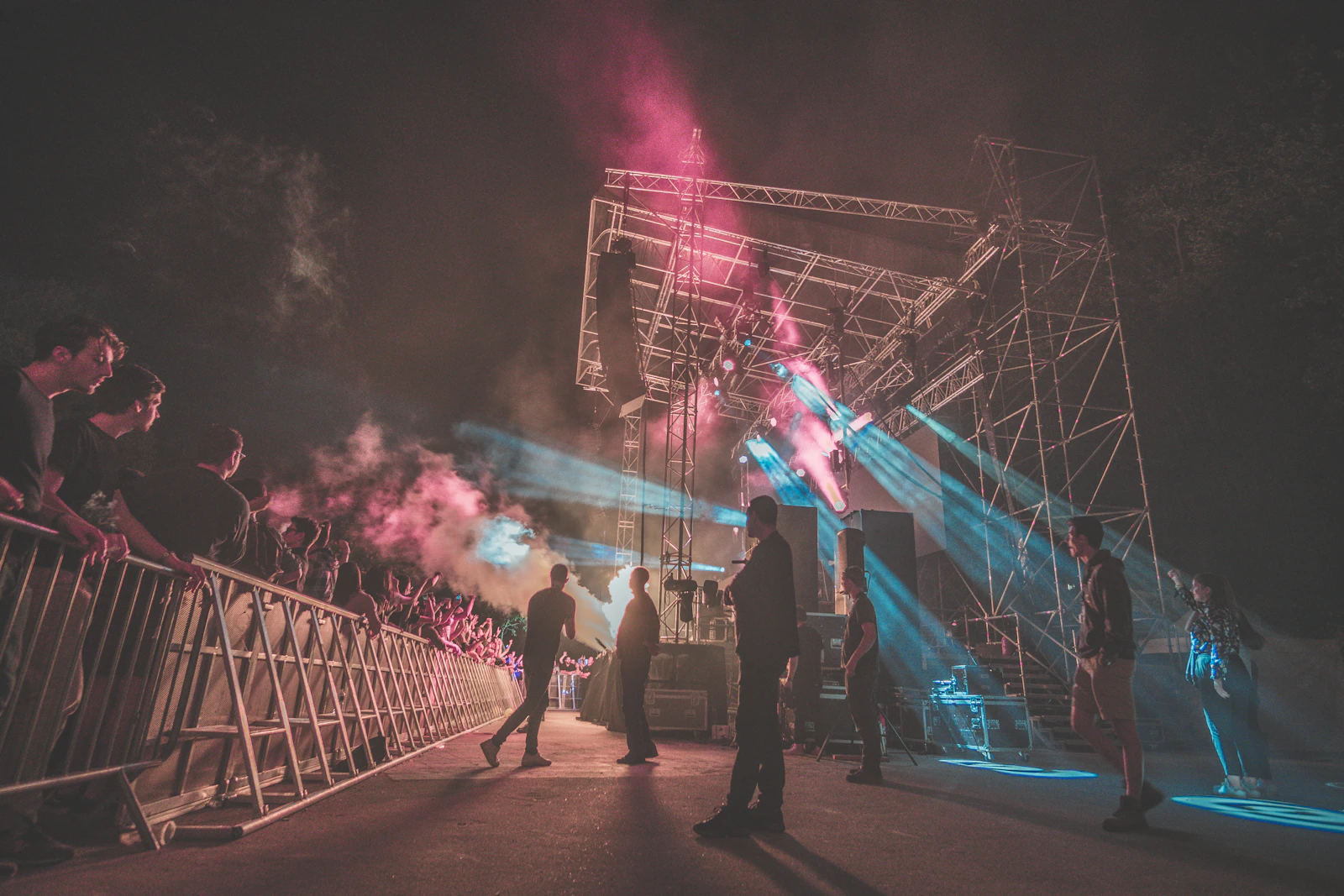
Outdoor concerts may require temporary entrance facilities and crowd barriers. Pedestrian routes and emergency access need careful assessment.
Concert venue capacity depends on the approved event layout. Stage footprints and technical areas affect usable audience space.
Front-of-stage barriers can help manage audience movement near the performance area. Security personnel need clear communication with production leadership.
Emergency plans should account for the venue's physical conditions and expected audience behavior.
Dubai concert safety planning may involve several relevant authorities, depending on the event's location and technical requirements.
Production teams should confirm applicable permits and operating approvals during the planning period.
Artist Backstage Facilities and Technical Rider Requirements
Artist technical riders influence stage equipment and backstage preparation.
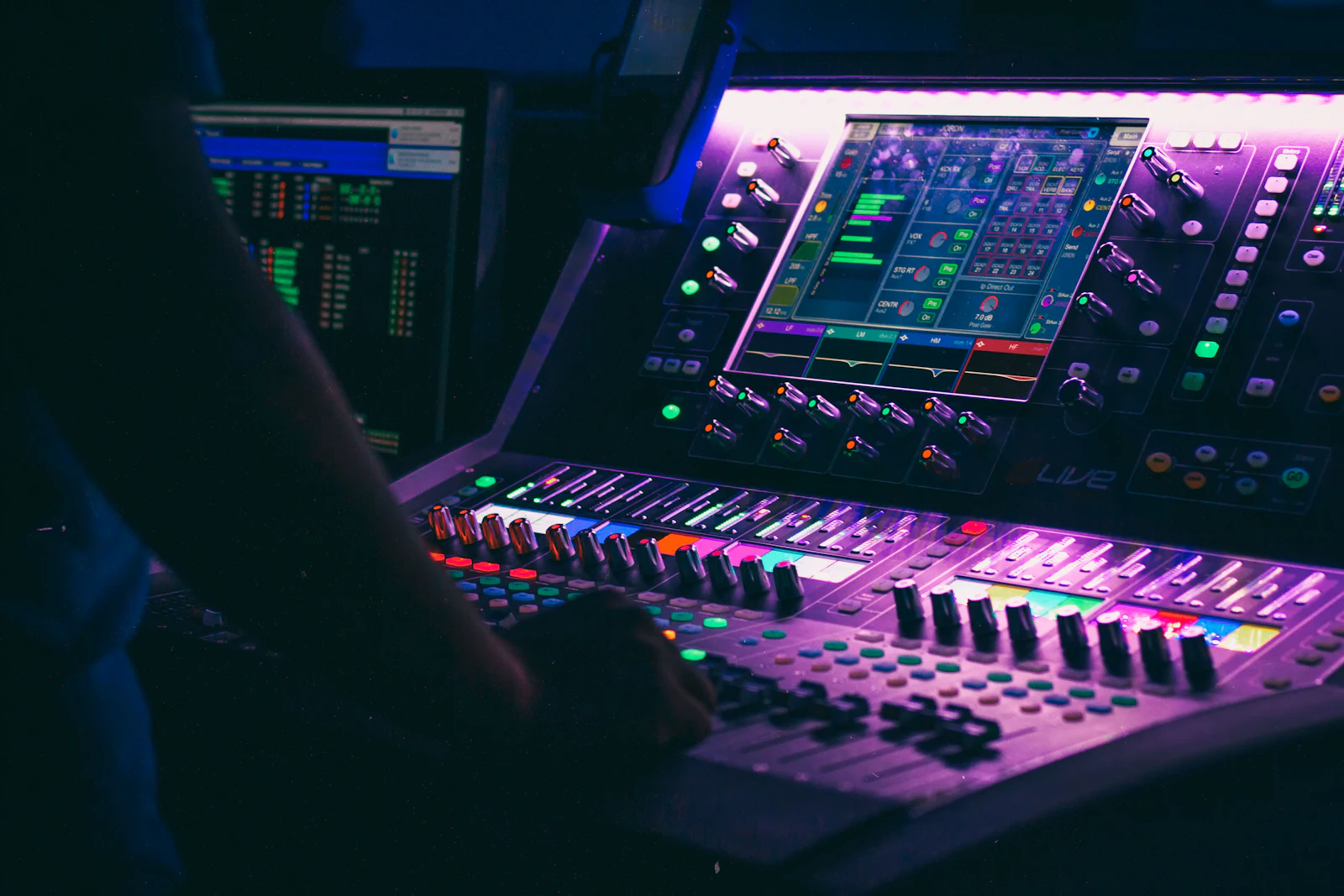
International artists may require specific audio consoles and monitor systems. Lighting equipment and backline requirements can also affect the production budget.
Indoor arenas may provide existing dressing areas and suitable backstage facilities. Outdoor concert sites may need temporary artist compounds and additional hospitality infrastructure.
Artist transportation also requires different planning. Arena venues may offer private vehicle access near backstage entrances. Outdoor sites may require temporary vehicle routes.
Someone’s Event has previous experience coordinating artists and technical teams during international live productions.
Backstage management should account for rehearsal schedules and artist arrival times. Hospitality requirements and stage access need agreement with the artist's representatives.
The artist should arrive at a technically prepared venue with an informed production team.
Production Logistics, Equipment Transport, and Setup Timelines
Concert logistics management begins with equipment requirements and venue access.
Arena production schedules often depend on venue booking periods. Touring concerts may have limited time for installation between previous events and the next scheduled performance.
Outdoor productions may require several days for site preparation and the installation of temporary infrastructure.
Equipment transport can involve stage systems and lighting equipment. Audio systems and LED components may arrive through separate suppliers.
Production managers need to coordinate delivery times and loading access. Technical crews require sufficient time for installation and system testing.
Concert rehearsal planning should follow equipment readiness. Artist rehearsals are most useful once the technical systems have completed their initial checks.
Production schedules should also include equipment removal and venue handover.
Realistic timelines help protect working conditions and equipment during demanding productions.
How Venue Type Affects the Concert Audience Experience
Audiences experience indoor and outdoor concerts differently.
Arena concerts can offer comfortable access to established facilities and protection from outside weather. Seating layouts may also provide useful viewing options.
Outdoor concerts can offer larger festival environments and greater freedom for certain audience layouts. The surrounding location may contribute to the overall concert atmosphere.
Guest comfort requires attention in both formats.
Indoor venues need suitable circulation and hospitality arrangements. Outdoor sites may need temporary toilets and water points. Guest access and transportation also influence satisfaction.
Sound quality remains important regardless of venue type. Audience sightlines and LED screen placement affect how guests experience the performance.
Successful concert production considers the audience throughout the venue rather than concentrating solely on the stage.
Arena vs Open Air Concerts: Which Venue Is Better for Your Event?
The right choice depends on the artist and expected attendance. Production requirements and available budgets matter too.
Arena concerts can offer practical advantages when an international tour requires established rigging infrastructure and suitable backstage facilities.
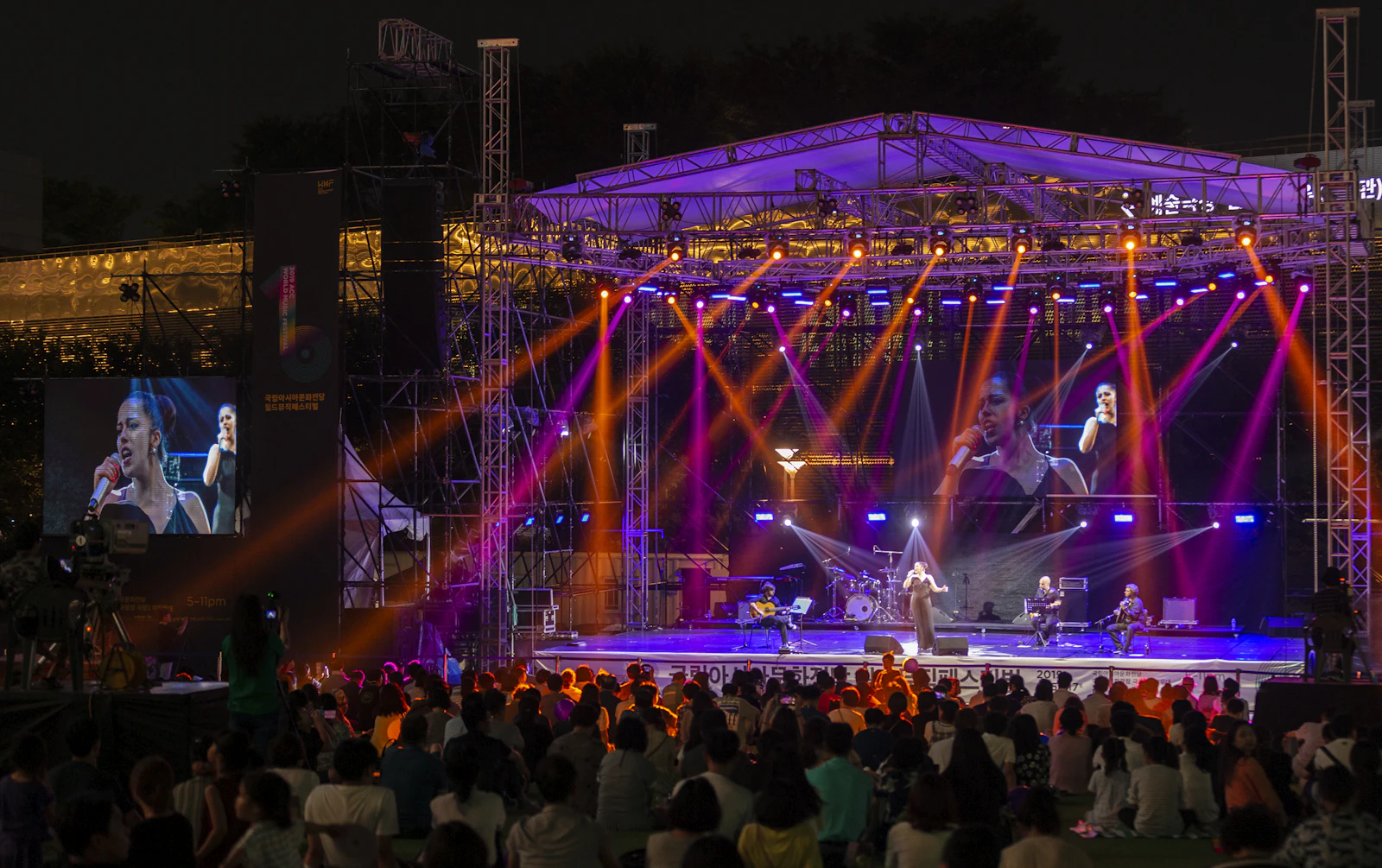
Outdoor concerts may be attractive for festivals and large public entertainment programs. Temporary stage installations can provide additional freedom for certain production concepts.
Budget comparisons should include the full production scope. An outdoor location with an attractive rental price may still require substantial investment in infrastructure.
Arena costs may include existing venue facilities and technical equipment. The actual terms depend on the venue agreement.
Someone’s Event reviews venue suitability through production feasibility and project requirements. The objective is to select a location capable of supporting the proposed live show.
Concert Production Planning Checklist for Dubai Events
Concert production planning should begin with venue feasibility and expected audience capacity. Artist requirements should enter the discussion early because technical riders can influence stage design and equipment costs.
Production teams should confirm the proposed stage layout and rigging specifications. Sound requirements and video systems need a technical review.
Electrical requirements deserve calculations from qualified specialists. Outdoor productions should include suitable weather plans and temporary infrastructure assessments.
Artist logistics and backstage facilities need preparation ahead of rehearsals. Security teams should review audience circulation and emergency access.
Dubai's Department of Economy and Tourism requires event permits for relevant entertainment events through its e-Permit process. Additional approvals depend on the specific activities and production requirements.
Technical rehearsals should occur after initial system testing. Production leadership should review communication plans and live show timing ahead of guest entry.
A final venue inspection helps identify outstanding production matters while crews can still address them.
Concert Production in Dubai With Someone’s Event
Someone’s Event approaches major concerts through technical planning and event management. The company's international production experience includes stage design and artist coordination. Technical supervision and concert logistics also form part of its previous work.
Arena concerts and outdoor concerts can both deliver excellent live performances. Their production requirements differ because the physical environment changes the work behind the stage.
Sound engineers need suitable acoustic plans. Stage teams need approved engineering documentation. Artists need properly prepared technical facilities. Audiences need safe access and an enjoyable concert environment.
Someone’s Event can coordinate these responsibilities according to the production brief and agreed project scope.
The venue may change. The production work should always begin with a clear assessment of what the live show requires.
