
Private Events4 min read
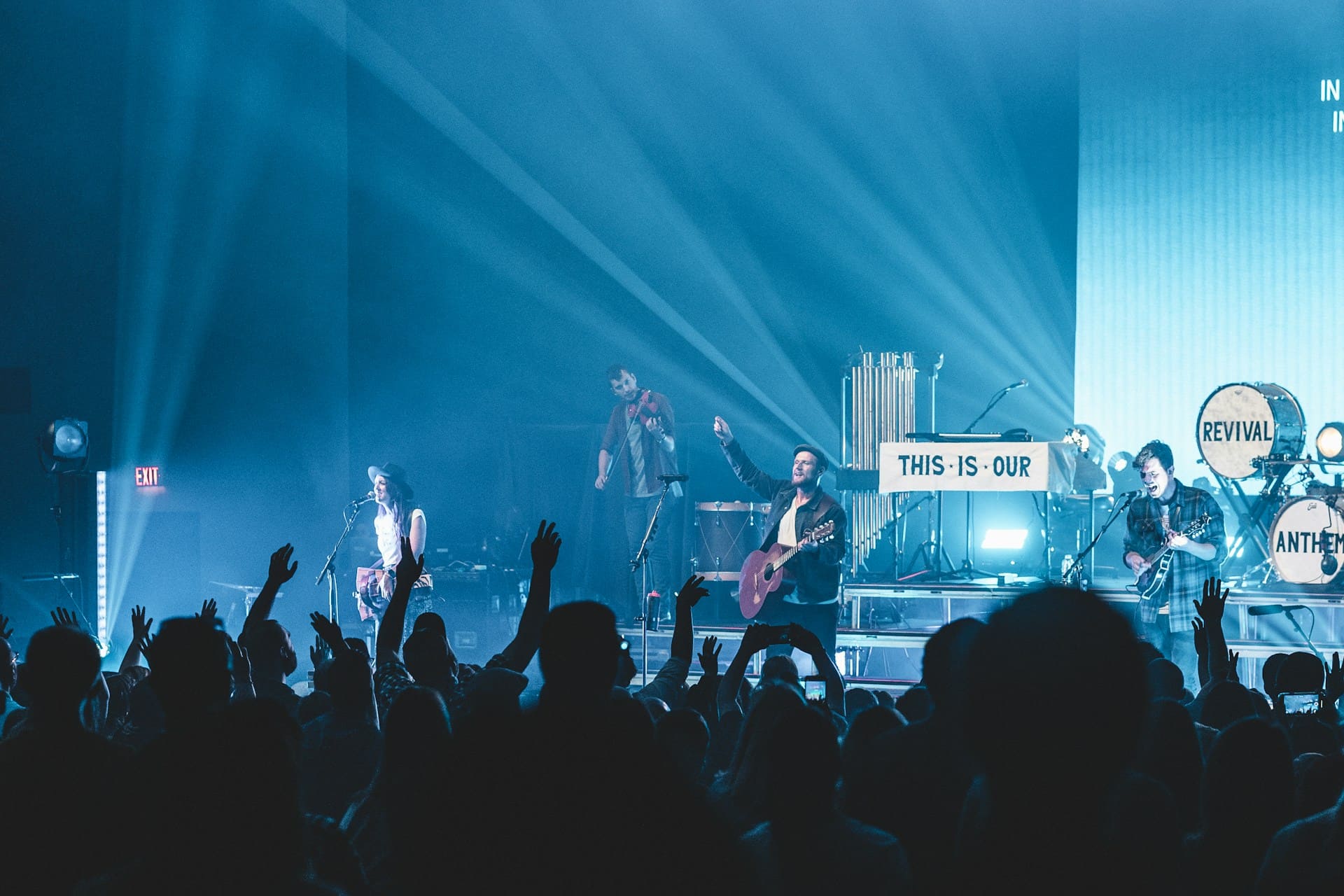
Launching a product is like a rebellion. You're trying to get noticed in a crowded market. Start strong, or you're sunk. You need serious planning and a touch of drama to pull off a product launch. For Someone's Event, it's all about engineering when these times come up. We're big on structure, plans, and sticking to the script.
There's no room for mistakes when the pressure's on. First impressions are everything. The initial launch really shapes what happens with the product. It establishes the narrative, asserts value, and forces the industry to take notice. We wrote this guide to establish the correct order of operations. You need a system to guarantee the win. Follow these ten steps to construct a launch event that commands authority.
Define the Purpose and Vision of the Product Launch
The first rule is to be clear. Figure out the goal of the product launch first, then plan it. Perhaps the goal involves generating immediate sales. Perhaps the strategy centers on media saturation or shifting the brand perception. A defined purpose serves as the Guiding Principle for the entire project.
The vision must be sharp. A vague idea leads to a weak execution. State the objective affirmatively. "We will dominate the tech sector conversation" is a strong vision. This intent governs every subsequent decision, from the guest list to the color of the lighting. Experiential marketing events are most effective when the core message remains simple and undeniable. You are building a machine to deliver a specific result.
Identify the Right Audience for the Launch Event
Having the wrong crowd is a waste. A good event needs to be well-planned to work. We want the key players, the ones who can make things happen, and the ones who can get the word out there to be there. Figure out who we're selling to, in a clear way. Identification of the key players comes first.
Invite the people who hold the power to spread the message. A corporate launch event benefits from a mix of loyal customers, industry press, and potential partners. Quality outweighs quantity. A smaller, highly relevant crowd offers more value than a stadium full of strangers. Control the guest list to control the conversation. The audience functions as a component of the event machine.
Choose a Venue That Reflects the Brand Identity
Territory dictates reality. The venue serves as the physical container for the brand story. Choosing a location requires a focus on infrastructure and atmosphere. A premium product launch demands a setting that screams authority. A tech product debut might require a stark, industrial space, such as a warehouse or a specialized studio.
Infrastructure matters more than aesthetics. The site must be able to support the technical weight of the production. Check the power capabilities, the load-in access, and the acoustic properties. Someone’s Event prioritizes proprietary venues because ownership guarantees control. Select a site that amplifies the brand's identity rather than competing with it. The venue is the foundation. Build on solid ground.
Create a Strong Event Concept and Brand Narrative
Facts tell, but stories sell. A product unveiling event needs a narrative hook. You are presenting a solution to a problem, a hero to a villain. The concept must unify all elements of the evening. Design a theme that reinforces the product’s unique selling proposition.
Brand storytelling event mechanics rely on consistency. The invitation, the entrance tunnel, the stage design, and the cocktail napkins must all speak the same language. A strong concept creates an immersive world. Guests enter the venue and leave the ordinary world behind. They step into the brand’s reality. Make that reality convincing.
Design the Event Flow for Maximum Impact
Time is a tool. Use it. The run of show governs the energy of the room. A successful event marketing strategy relies on pacing. You want to build anticipation, deliver the climax, and then provide a space for reaction. A flat timeline kills interest.
Start with high energy. Keep the speeches short and punchy. Schedule the reveal for the moment of maximum attention. Design the flow to move people physically and emotionally. The movement from the reception area to the main stage should feel like a progression. Control the clock to control the experience. A rigid timeline creates a sense of professionalism and urgency.
Integrate Sound, Lighting, and Visual Production Seamlessly
The senses determine the memory. Audio and visual elements build the emotional landscape of the night. A massive screen and a line array system are weapons of influence. Use them to evoke a sense of the moment's magnitude in the audience. Lighting directs the eye. Sound drives the pulse.
Event production for product launch requires technical perfection. A feedback loop or a dark spotlight breaks the spell. Invest in high-end gear. Work with engineers who understand the physics of the room. The technical setup should remain invisible, leaving only the impact. Visuals must startle and impress. High-resolution content on a massive scale proves the brand’s dominance.
Plan Media Coverage, Content Creation, and Press Moments
The event may occur only once, but the content lives on forever. A media launch event exists to generate assets. Plan the camera angles before the doors open. Designate specific zones for press interviews and photo opportunities. The lighting in these areas must be flawless.
Content creation is a production stream of its own. Have a team dedicated to getting the best bits for social media. Send the press a digital kit with good pictures and press releases right away. It needs to be fast. You want the story to hit the wires while the applause is still ringing. Control the narrative by supplying the
media with the best possible visual evidence of the night.
Coordinate Speakers, Presenters, and Brand Representatives
The human element carries the message. Speakers must embody the brand’s values. A nervous presenter weakens the product’s authority. Coordinate the talent with rigorous discipline. Provide scripts that hit hard and stay on point.
Brand representatives on the floor need training. They are the face of the experiential brand launch. Every interaction counts. Dress them to match the aesthetic. Arm them with the answers to every potential question. The team must operate as a unified front. Confidence is contagious. When the presenters believe, the audience believes.
Rehearse, Test, and Perfect Every Detail Before Launch
Hope is not a strategy. Certainty comes from repetition. The technical rehearsal is the most important part of the schedule. Run the show from start to finish. Test every video cue. Check every microphone level. Walk the stage to find the blind spots.
Launch event execution depends on this phase. Find the errors while the room is empty. Fix the lighting transitions. Adjust the volume. Someone’s Event relies on the blueprint methodology here. The plan meets reality during rehearsal. Iron out the wrinkles until the fabric is smooth and wrinkle-free. The actual event should feel like a replay of a perfect practice session.
Measure Event Success and Extend the Impact Beyond the Event
Work never stops, even in the dark. You gotta have data to back up the win. Decide what makes it a win from the start. Figure out how many times the press mentioned it. Keep an eye on social media activity. Watch for the website traffic to go up. A corporate brand experience must deliver ROI.
Keep the momentum going by following up. Send thank-you notes to the VIPs. Release the recap video within 24 hours. Keep the conversation alive. Use the momentum of the launch to drive the next phase of the marketing campaign. Analysis of the data provides lessons for the next battle. Review the numbers and celebrate the win.
